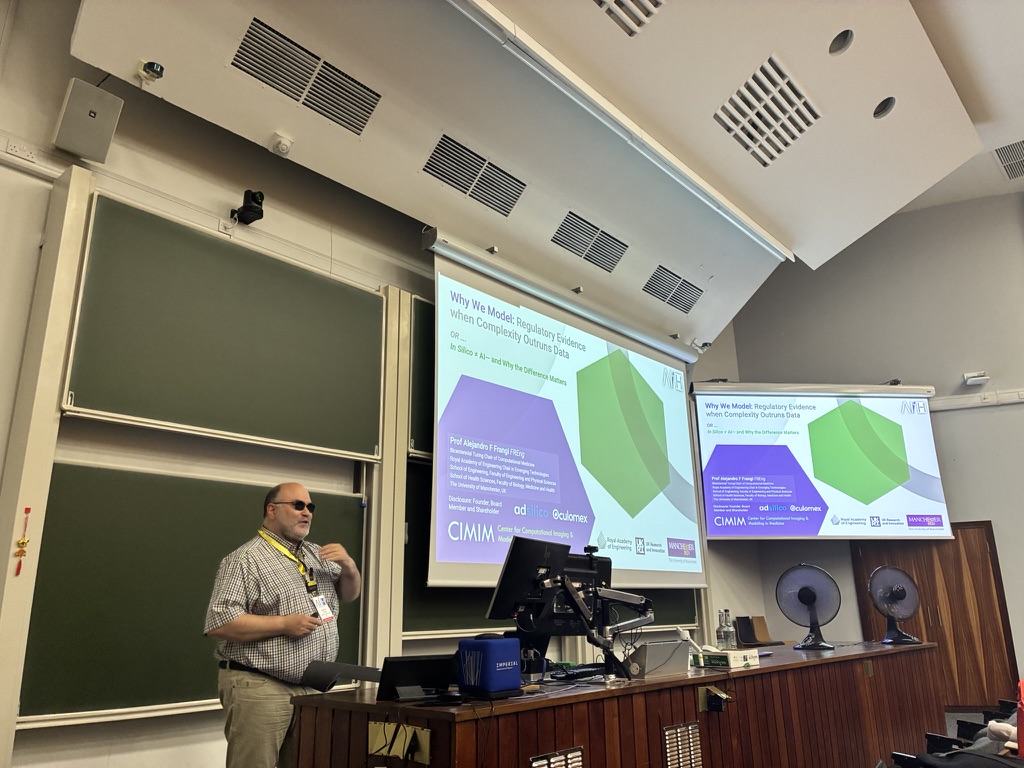
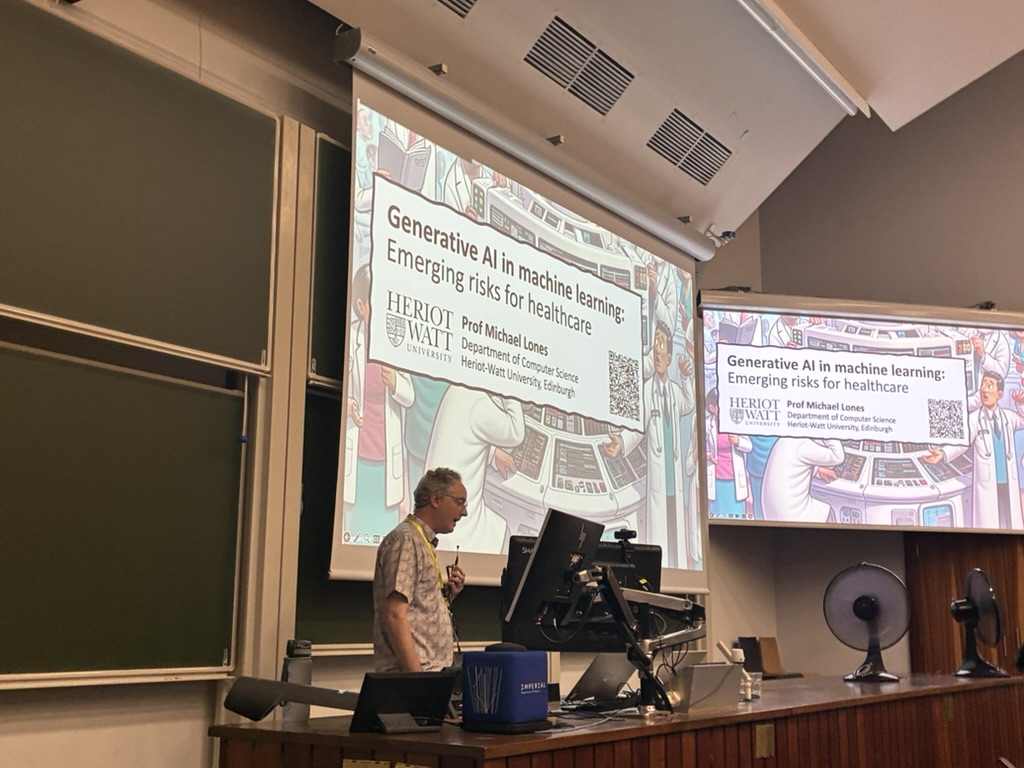
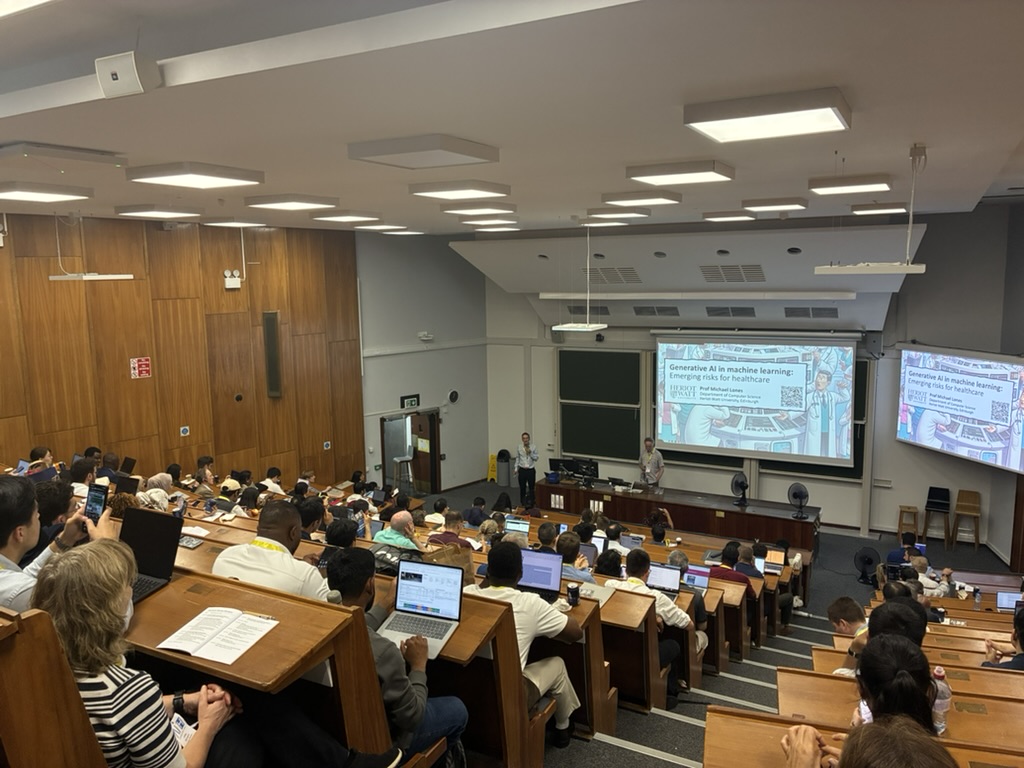
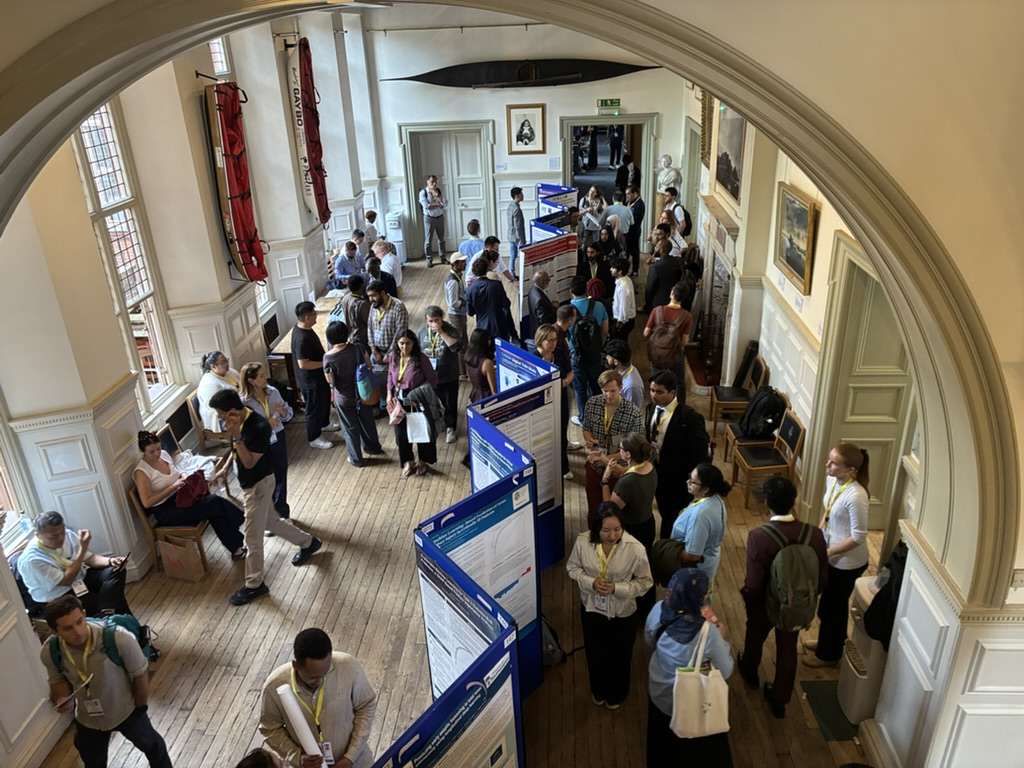
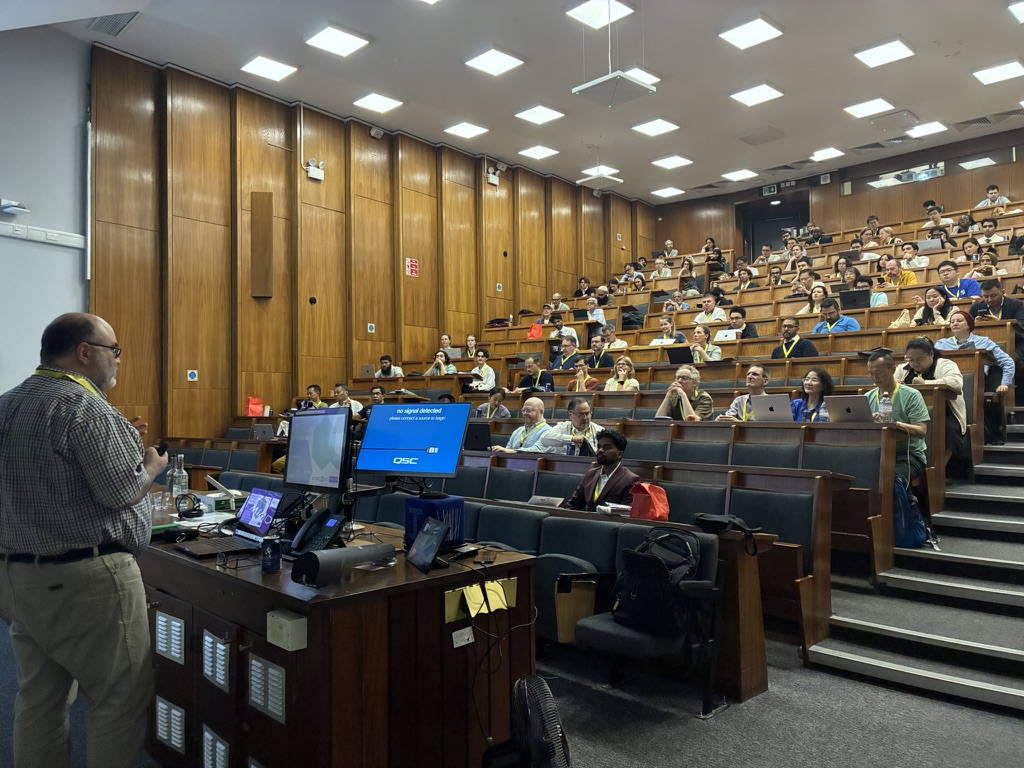
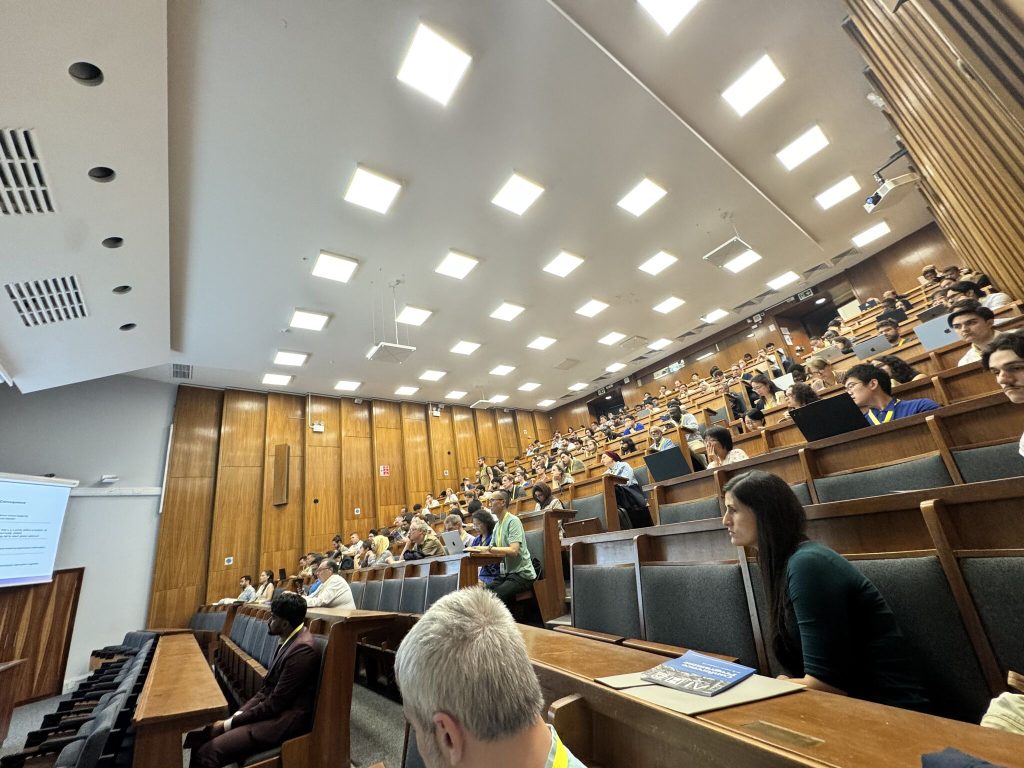
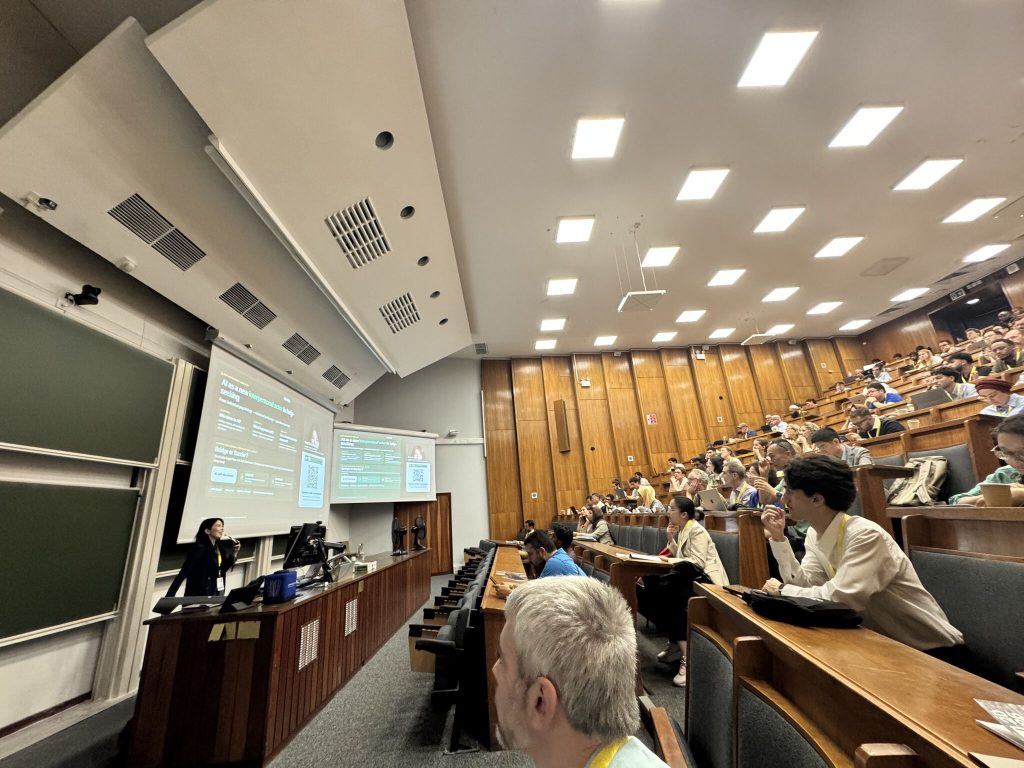
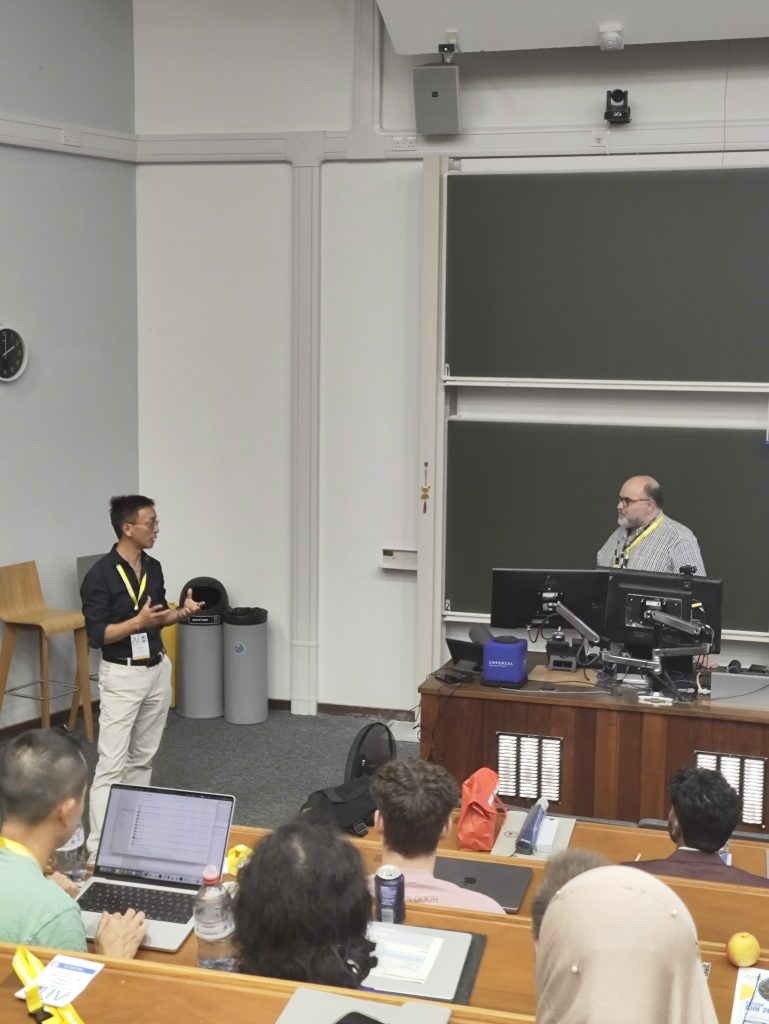
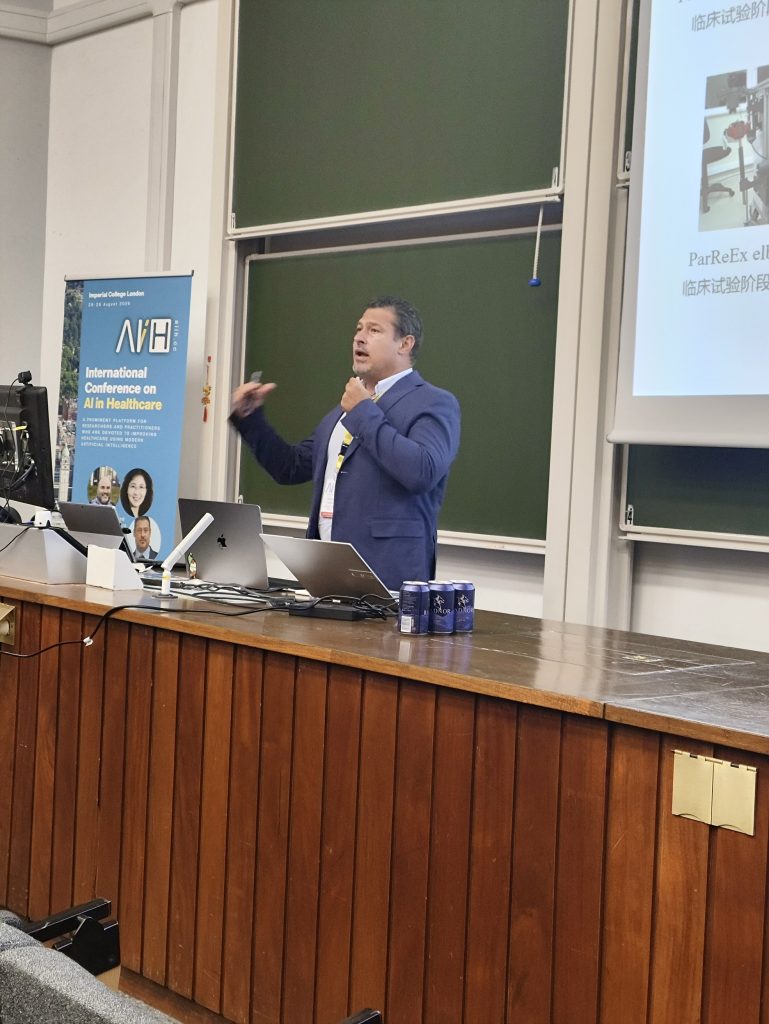
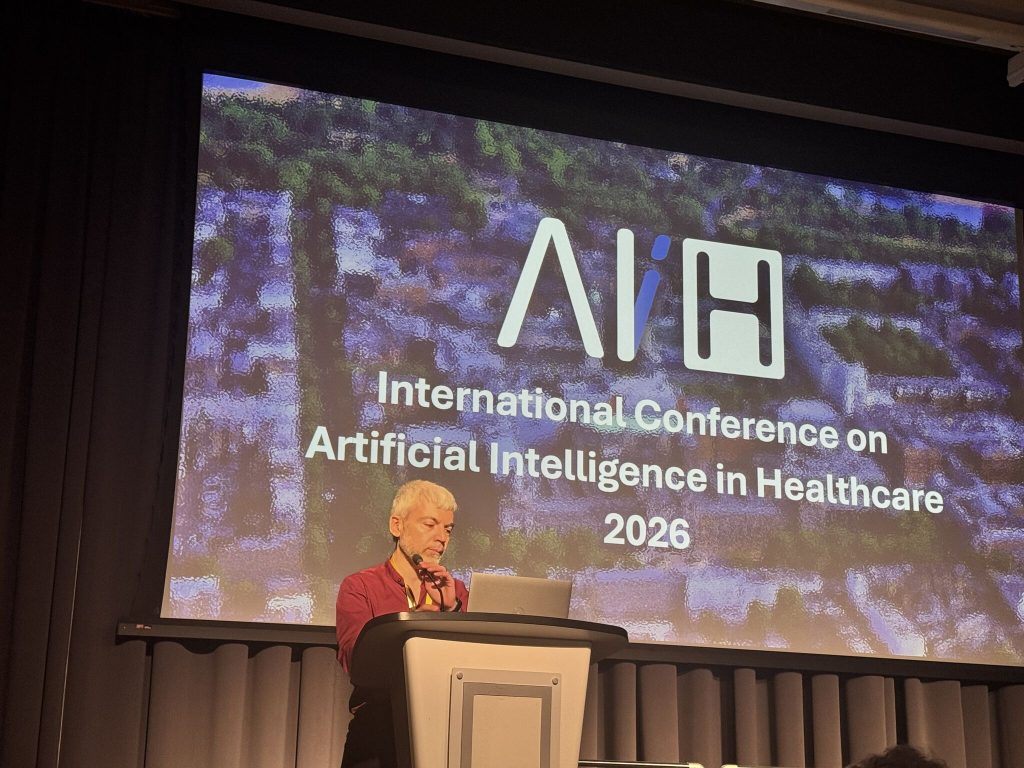
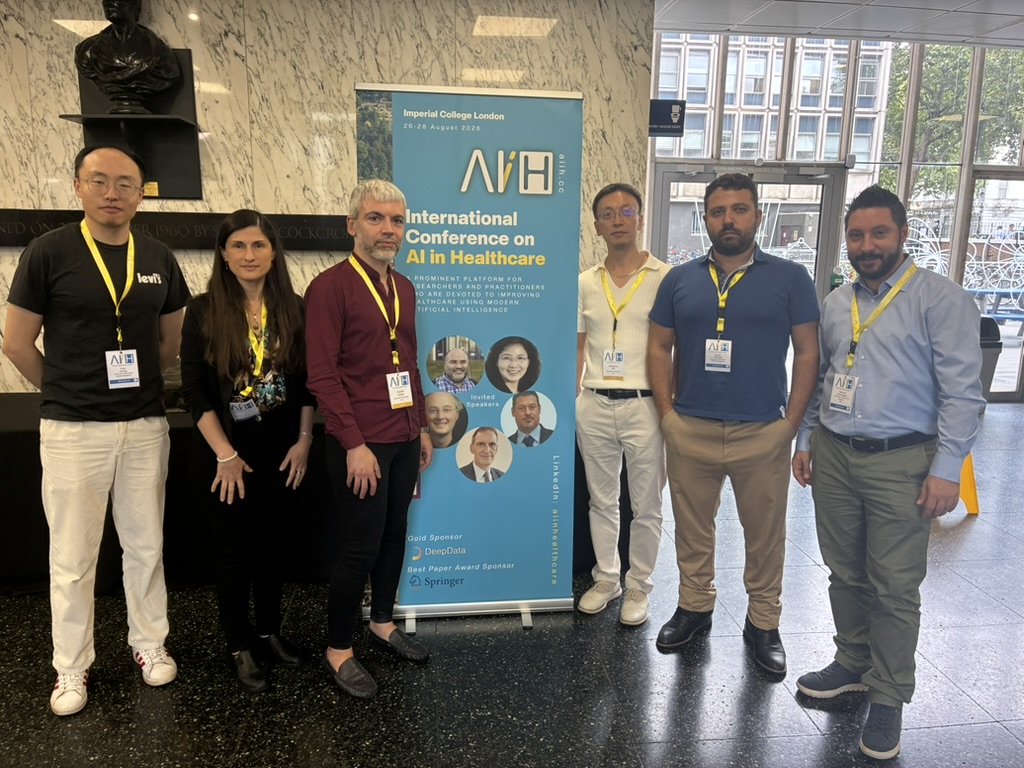
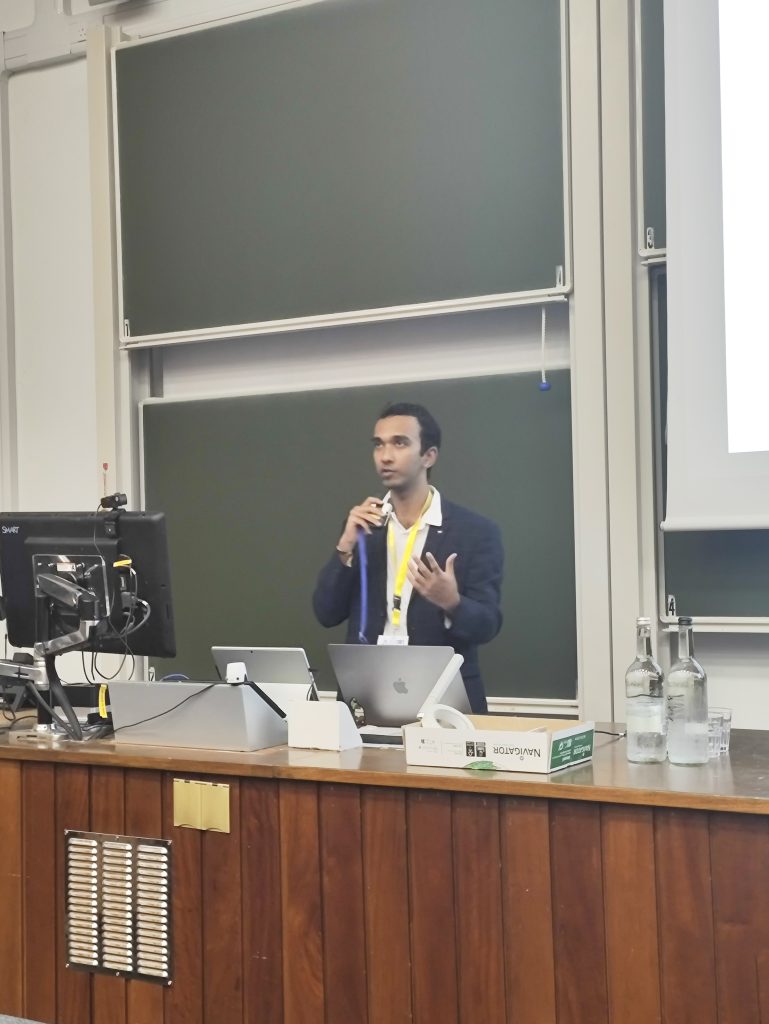
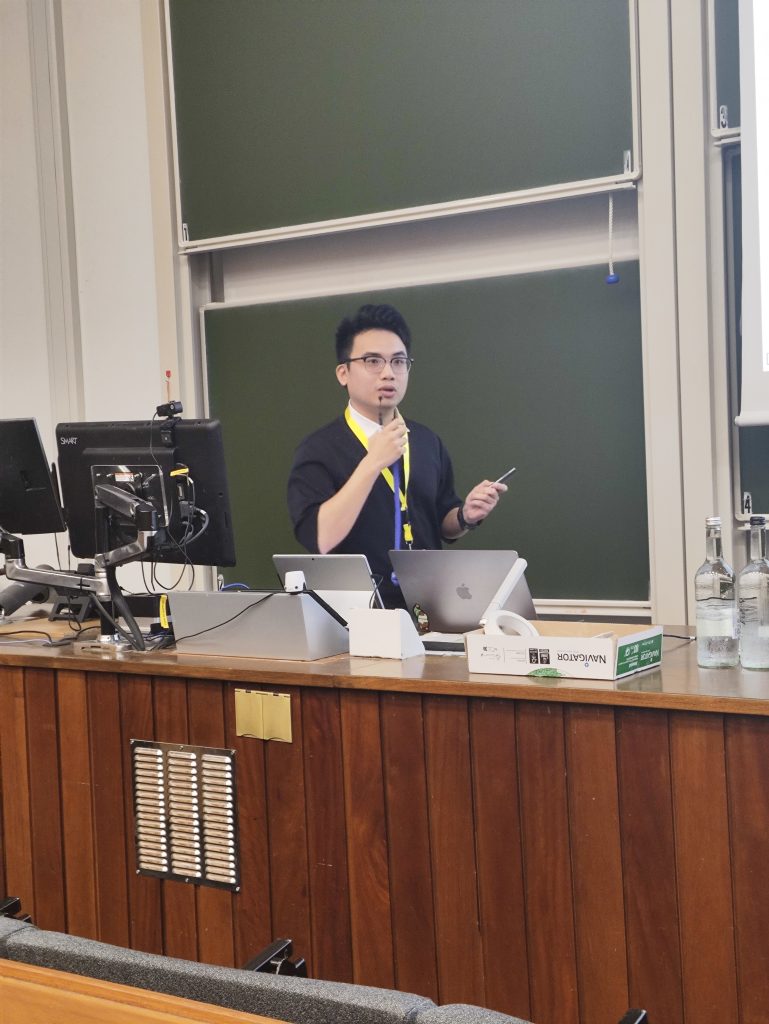
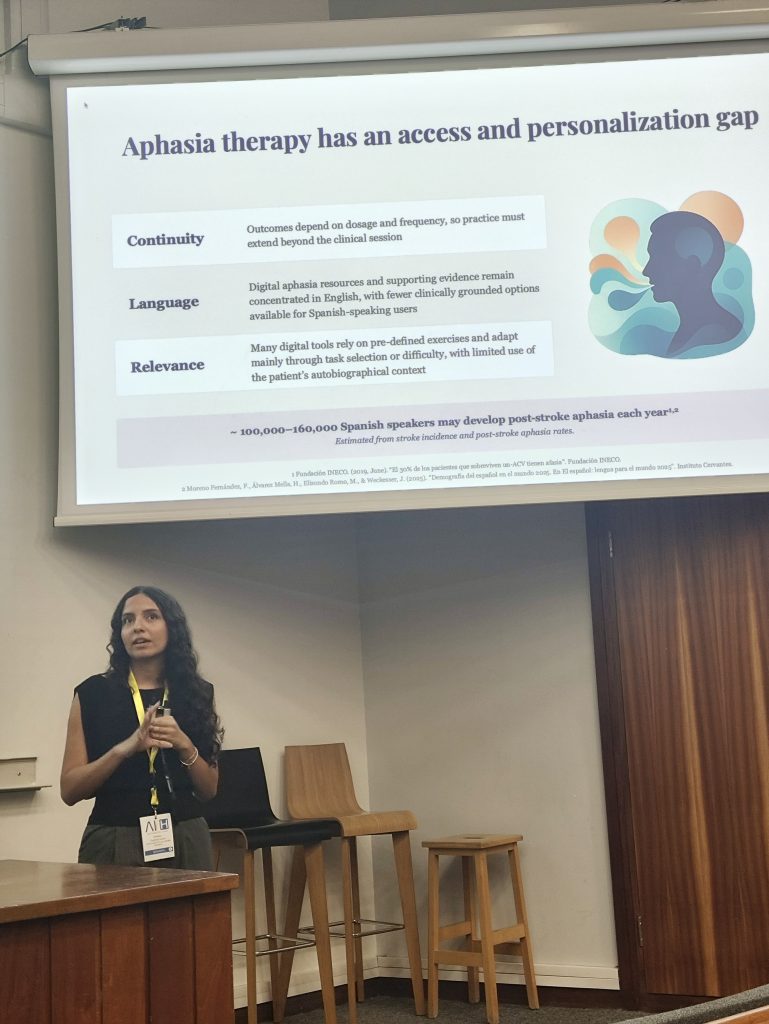
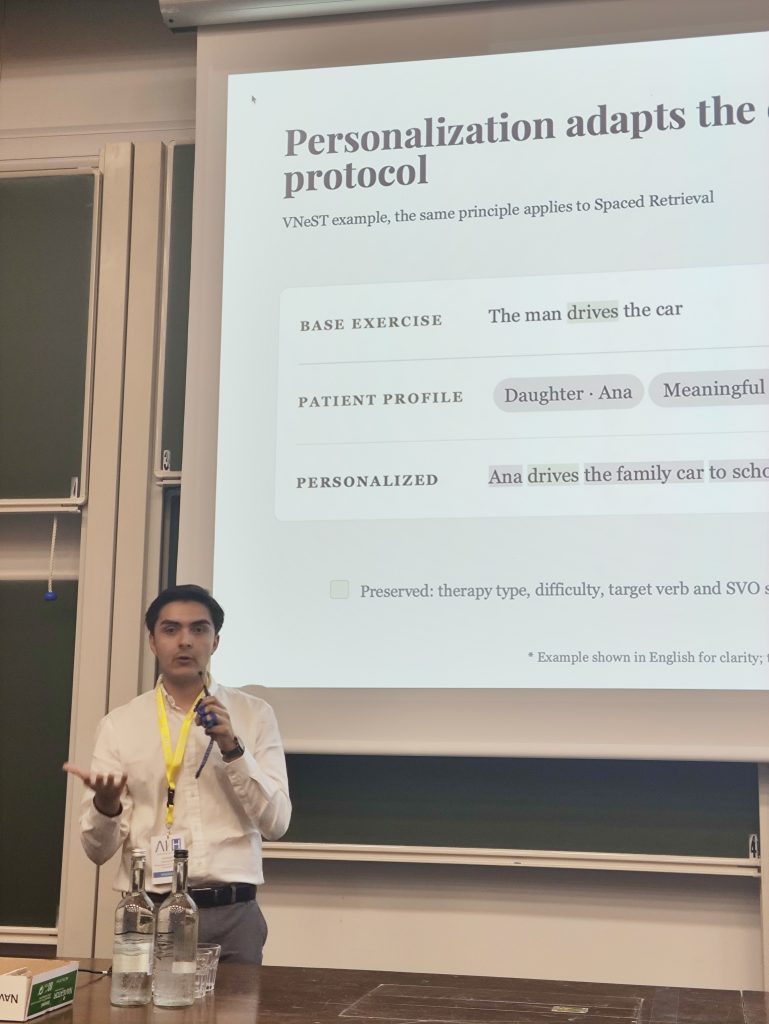
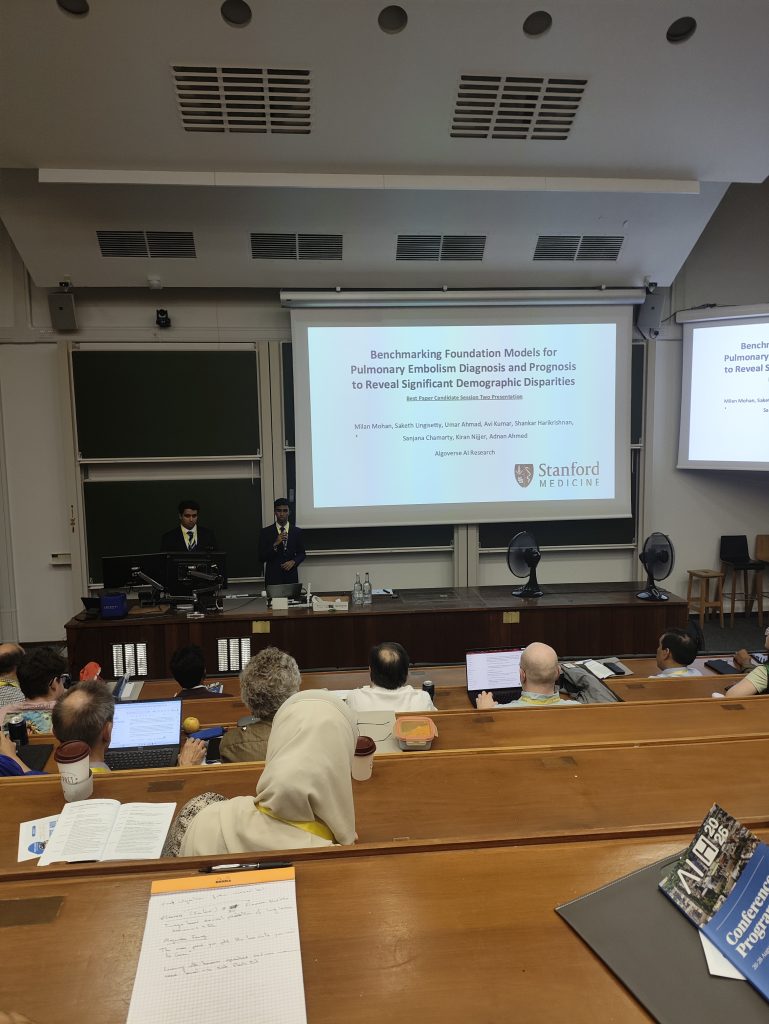
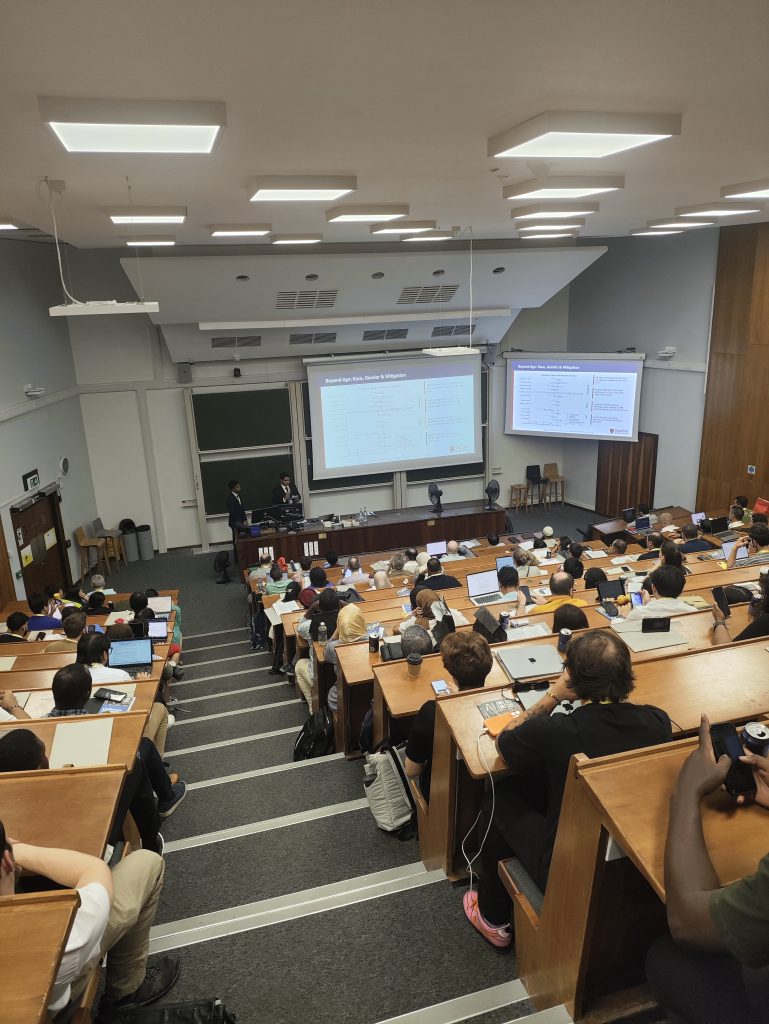
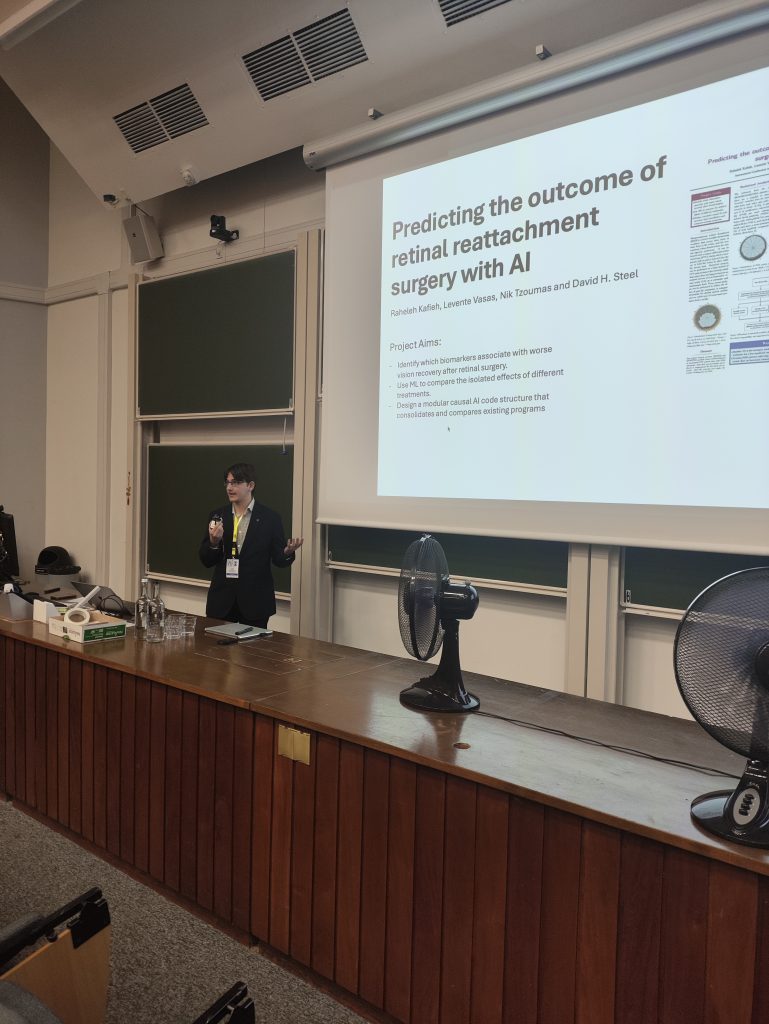
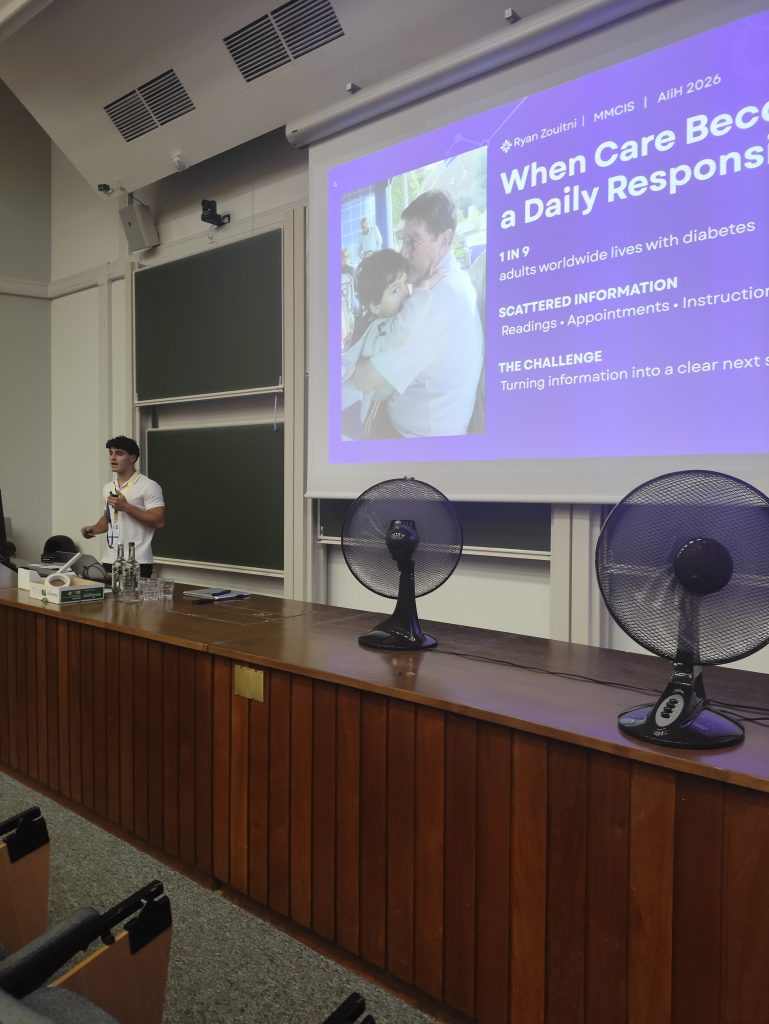
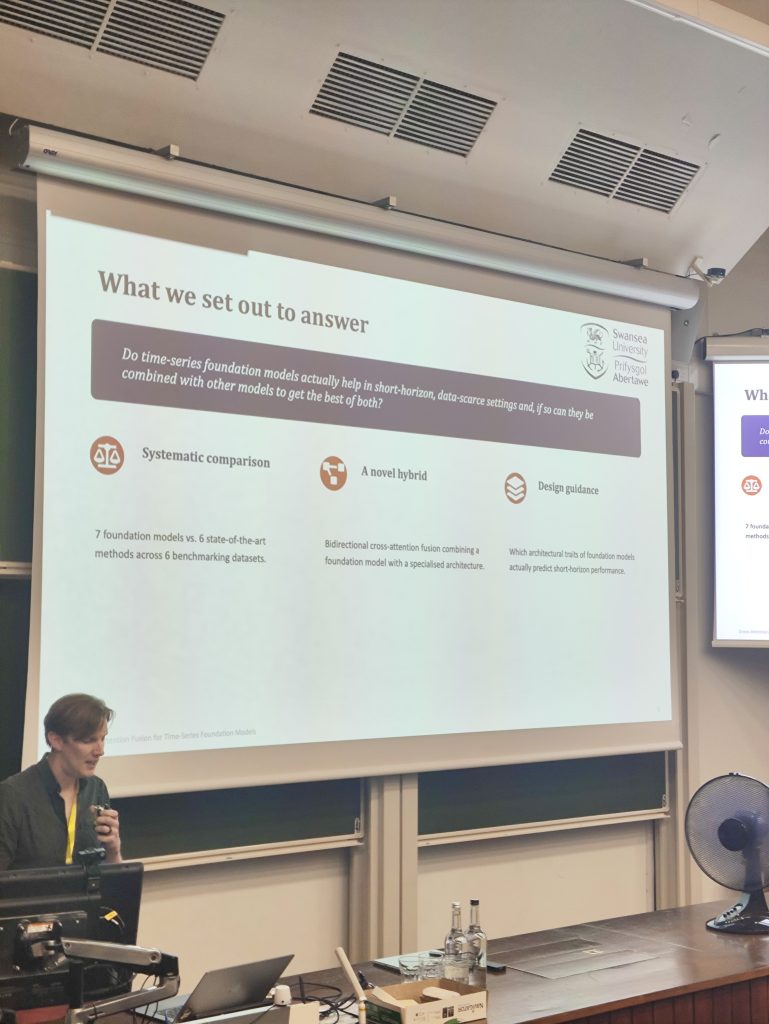
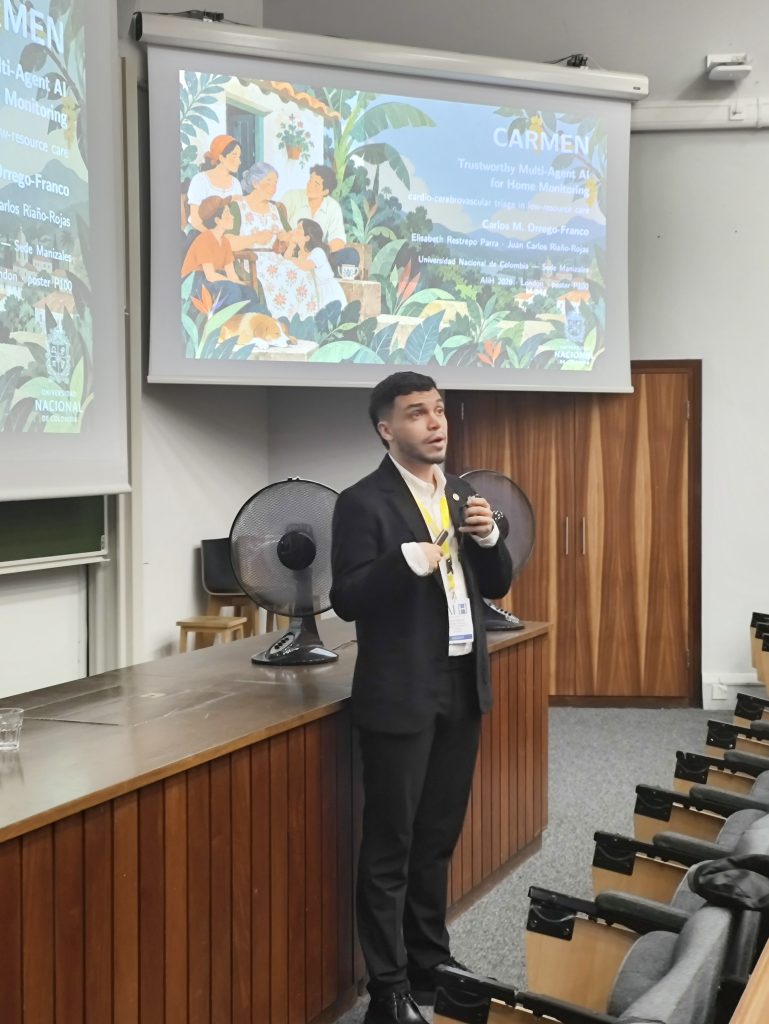
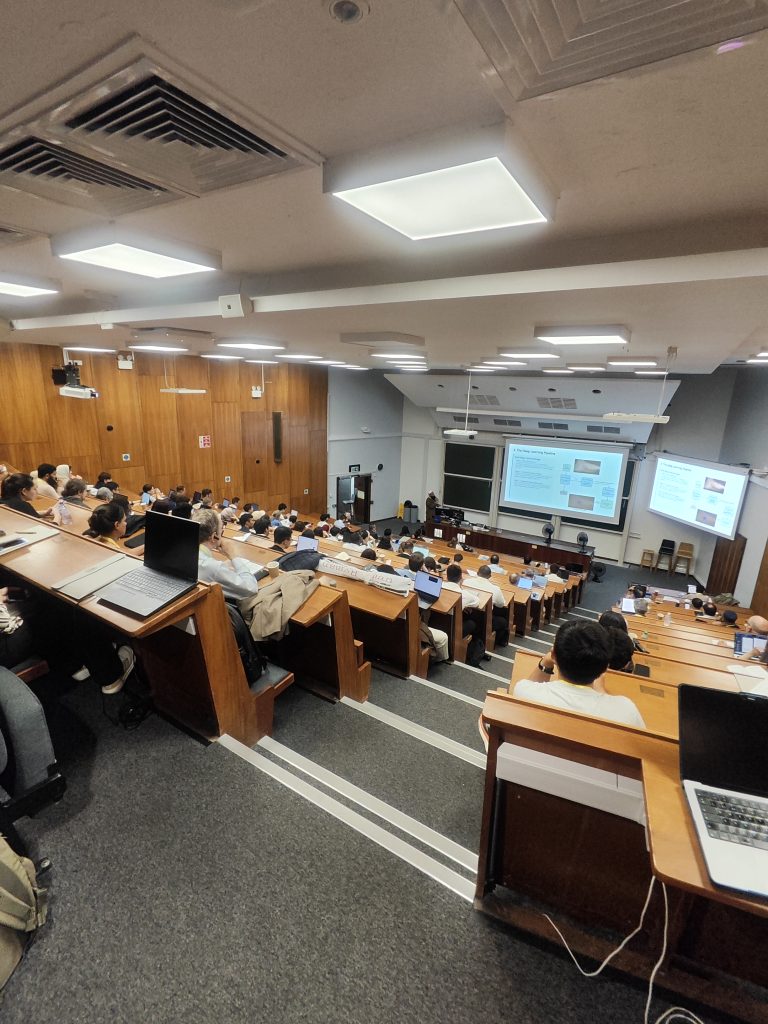
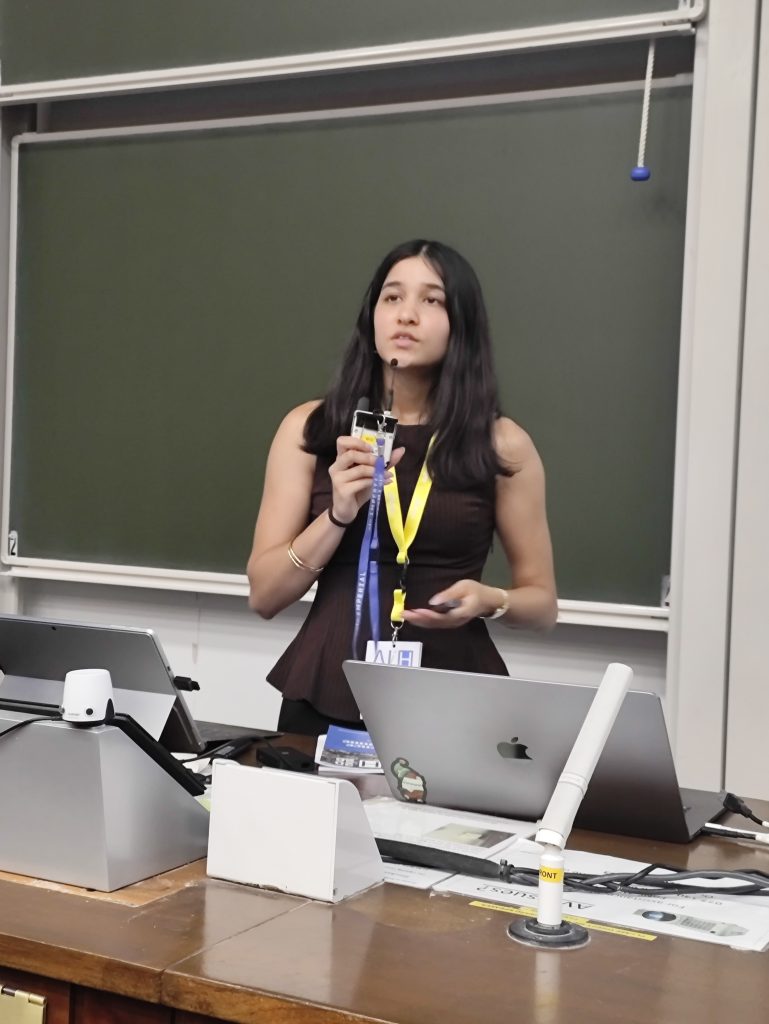
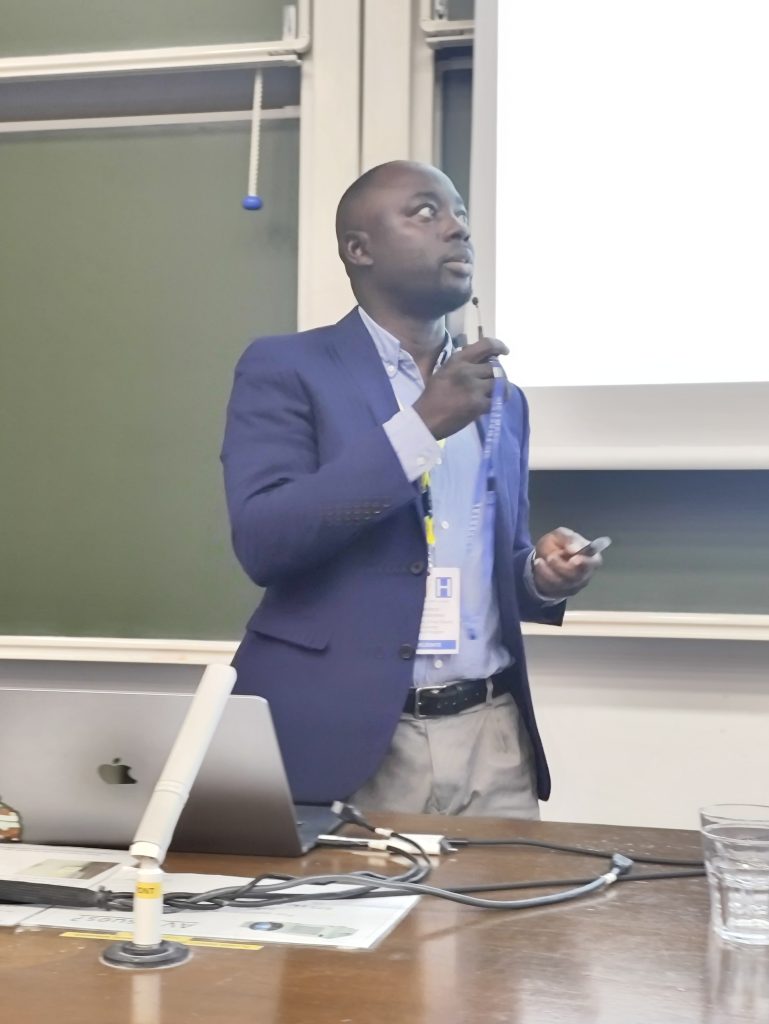
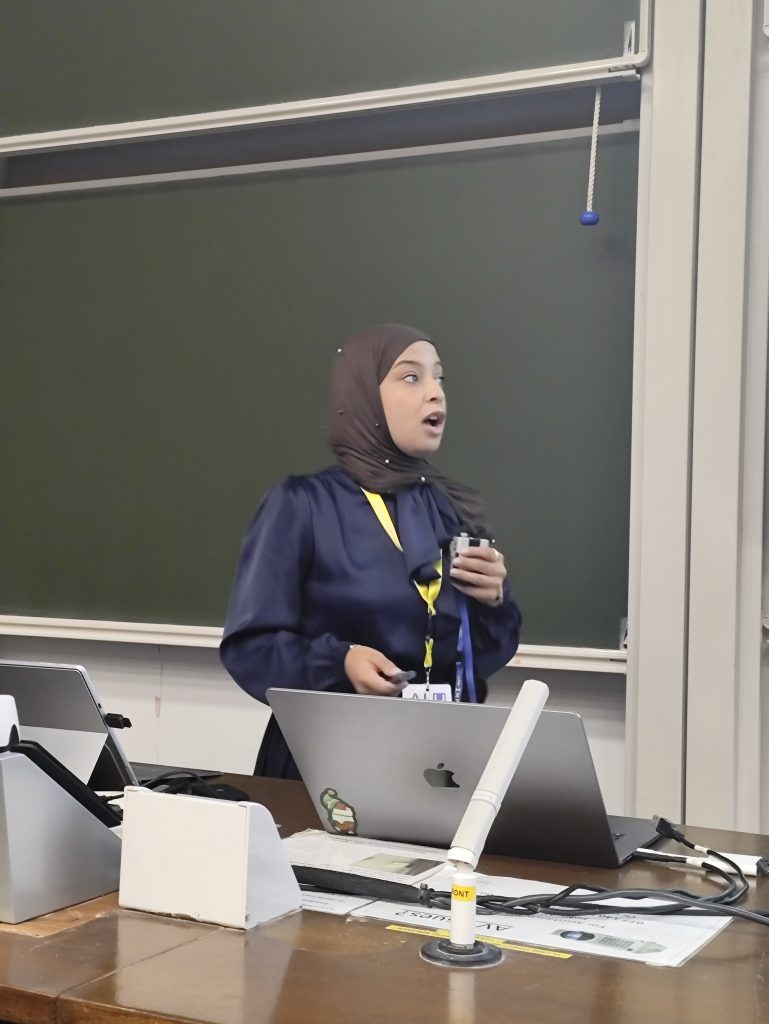
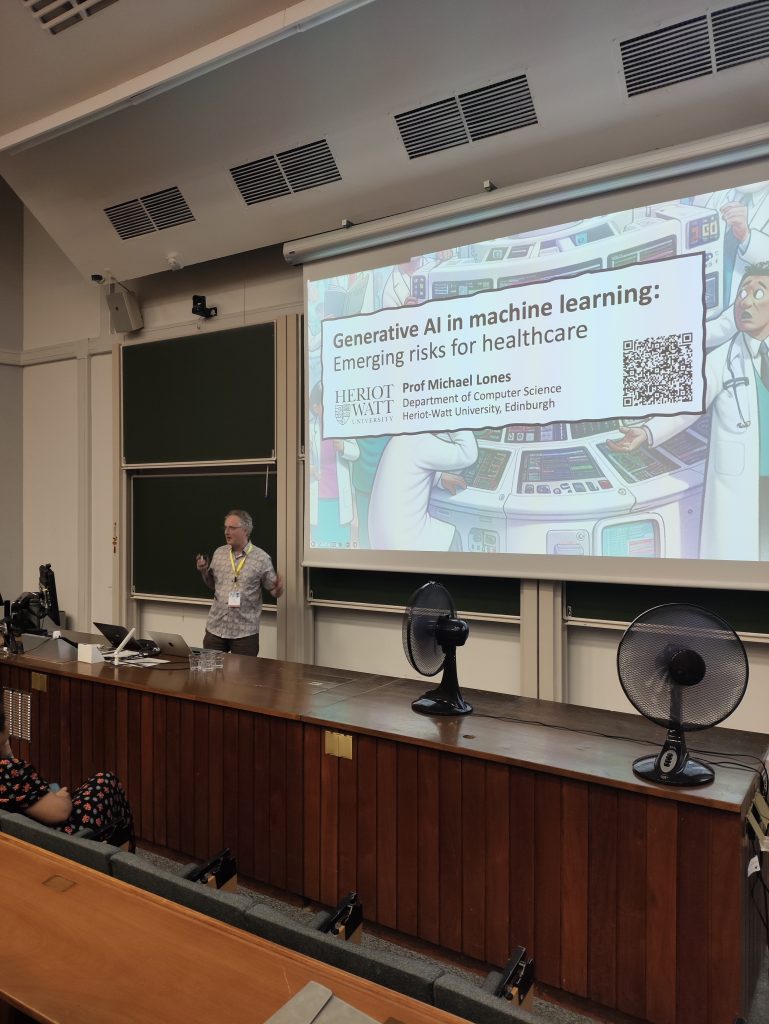
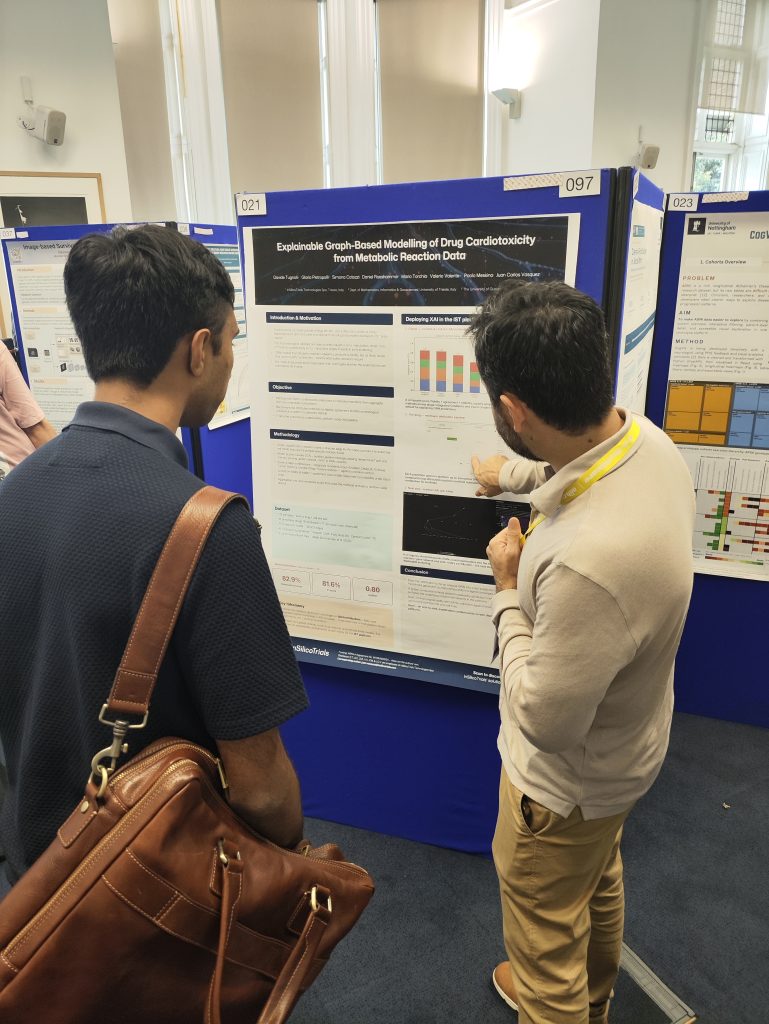
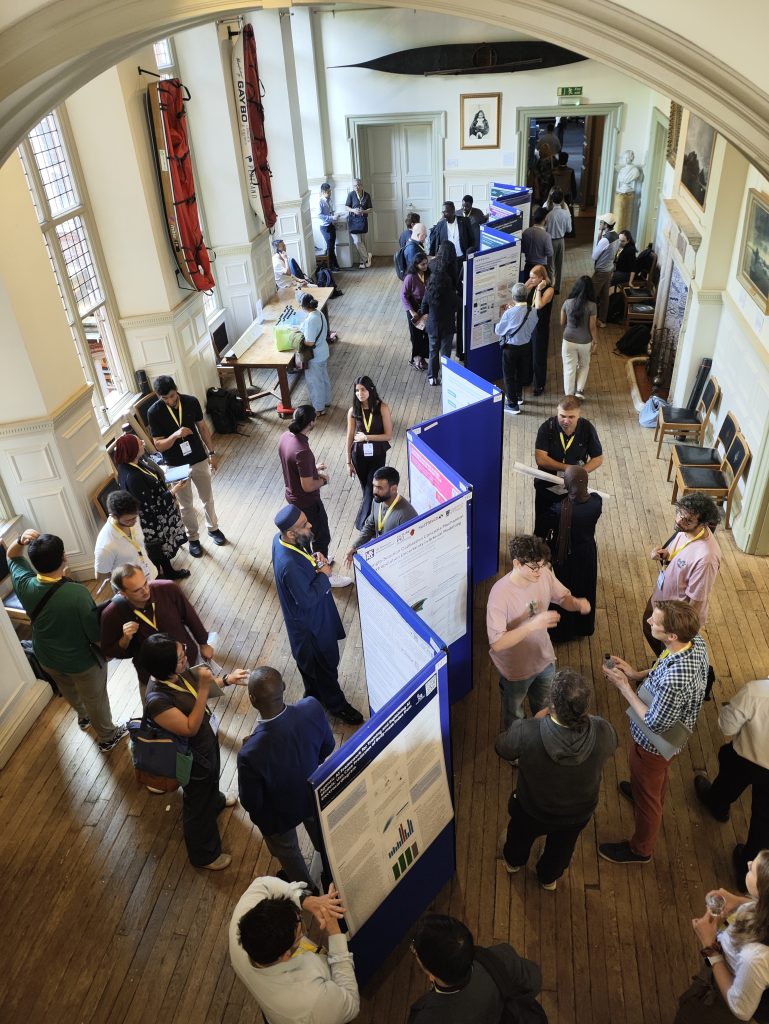
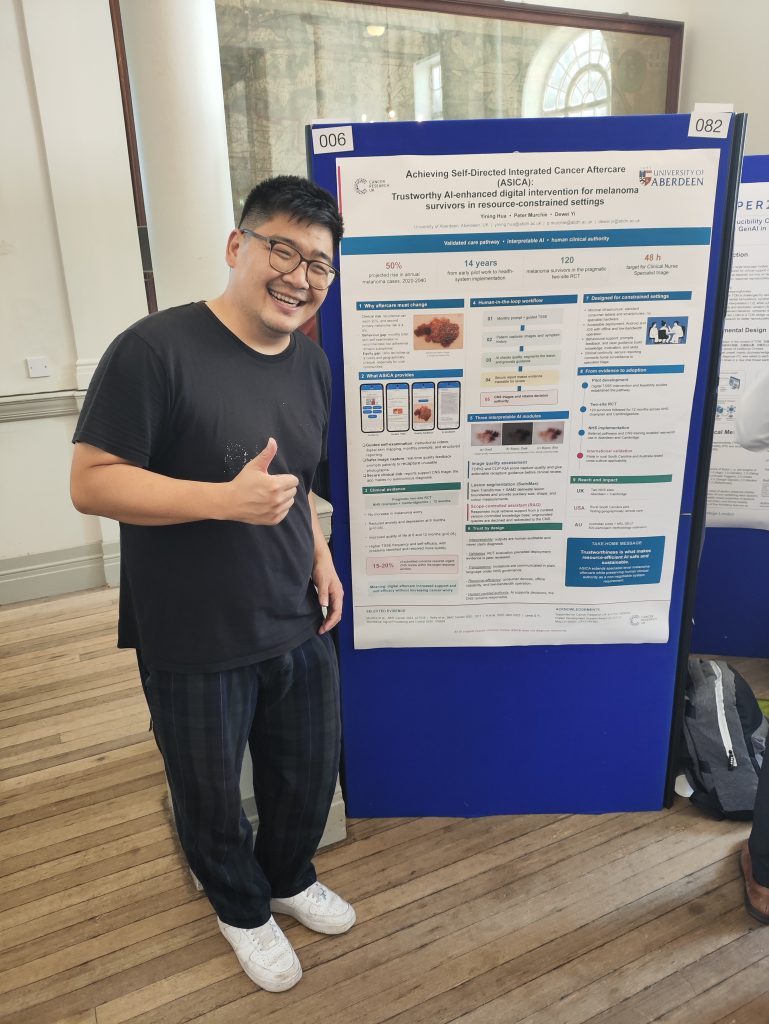
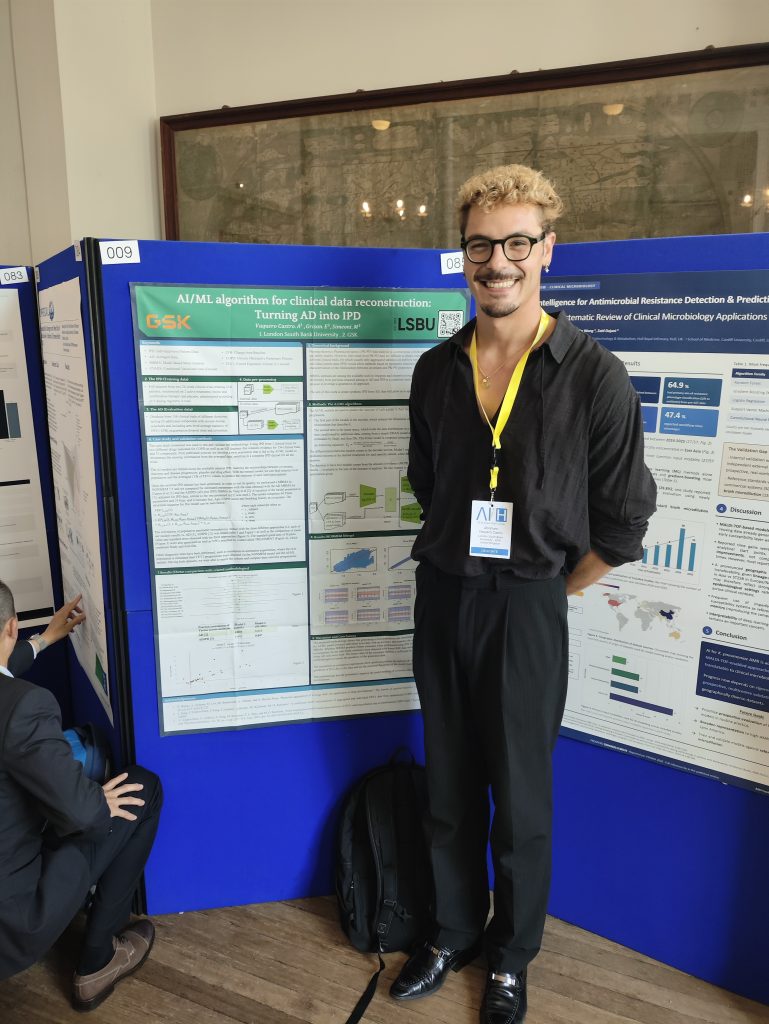
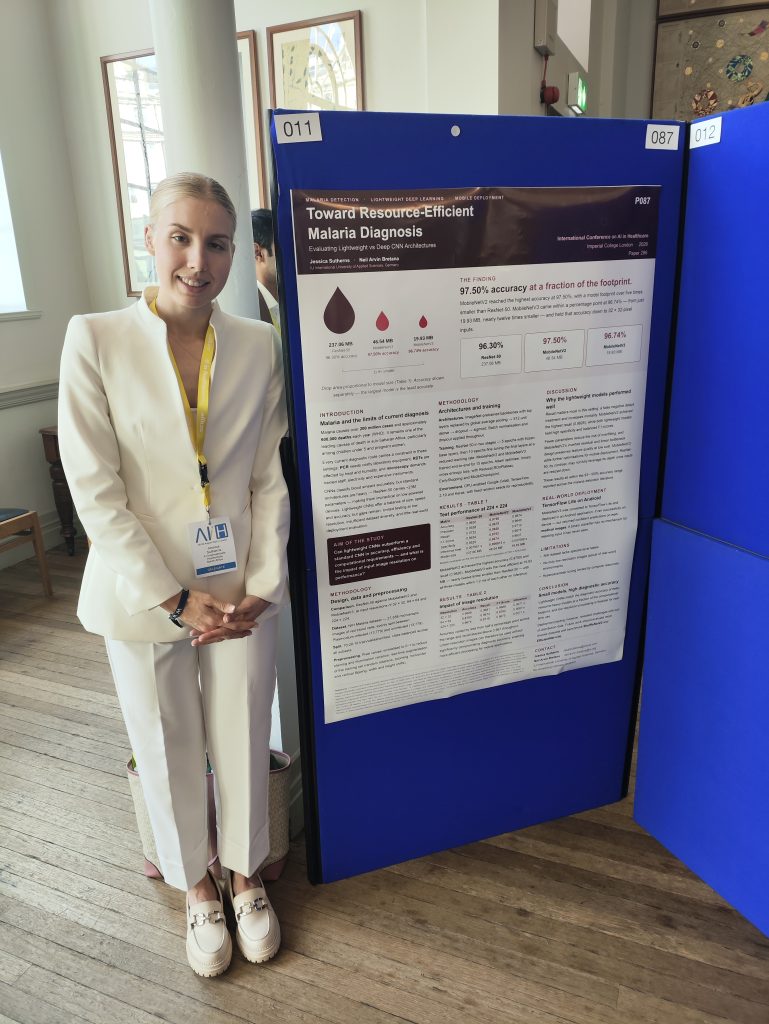
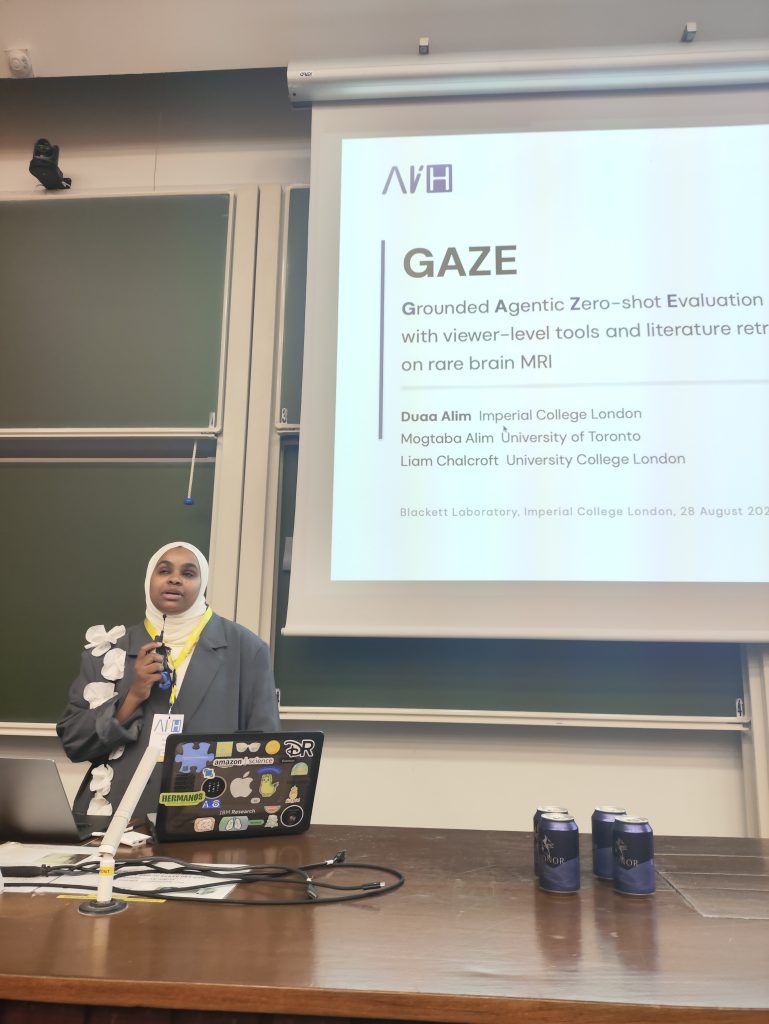
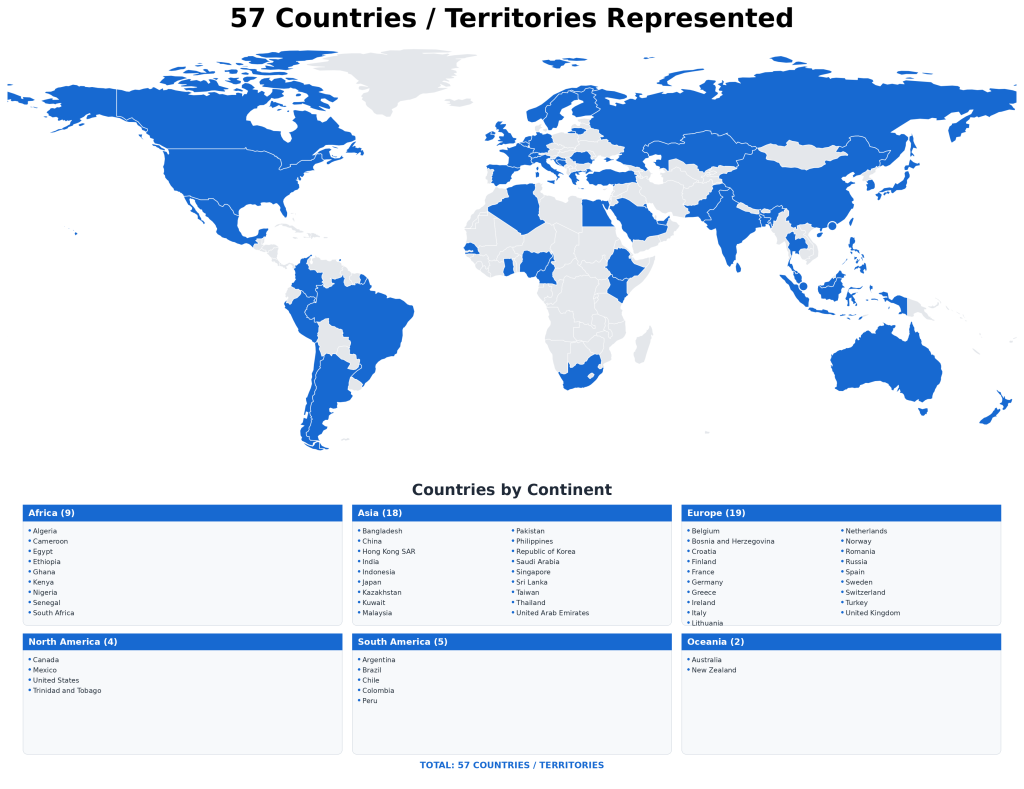
In August 2026, we welcomed delegates from 45 different countries to attend this third edition of the International Conference on Artificial Intelligence in Healthcare (AIiH), which is hosted in Imperial College London UK. Taking into account contributing authors, AIiH 2026 attracted researchers and practitioners from 57 different countries and territories all over the world, see the map below.
AIiH was established to provide a dedicated forum for researchers, practitioners, clinicians, and innovators working at the intersection of artificial intelligence and healthcare. While advances in AI have transformed many fields, healthcare continues to present distinctive challenges that span technical, ethical, regulatory, and societal dimensions. AIiH seeks to foster the exchange of ideas, promote interdisciplinary collaboration, and accelerate the development and adoption of trustworthy AI technologies that can improve healthcare delivery, patient outcomes, and clinical decision-making.
The 2026 conference attracted significant interest from the community. By the April submission deadline, we received 172 full-length papers (12 pages plus up to 2 pages of references) and 87 abstracts (up to 5 pages, excluding late-breaking abstracts), representing substantial growth compared with previous editions. All full-length submissions underwent a rigorous double-blind peer-review process. Each paper received a minimum of two reviews, with an average of three reviews per submission, while abstracts were evaluated by one or two expert reviewers. Following careful assessment, 101 full-length papers were accepted for publication in these proceedings and 41 abstracts were selected for online archival with DOI assignment. The acceptance rate for full papers was 58.7%, while 23.3% of submissions were selected for oral presentation.
AIiH 2026 also received 71 late-breaking abstract and survey paper submissions by the July deadline. As a result, a further 39 submissions are included in our conference programme.
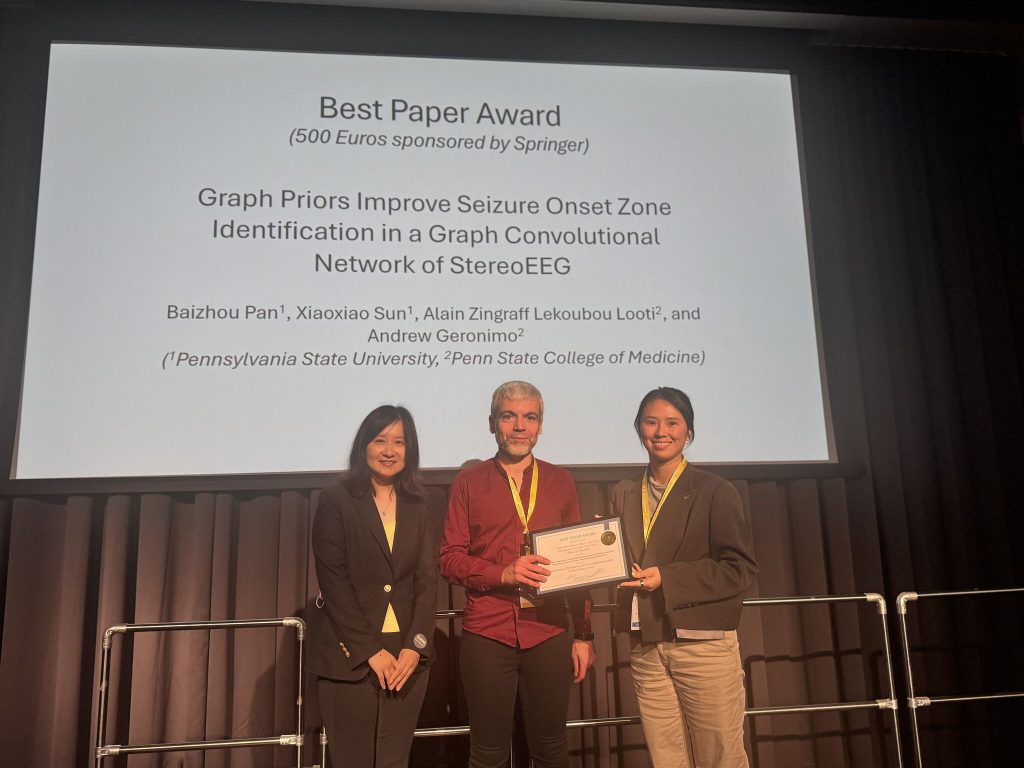
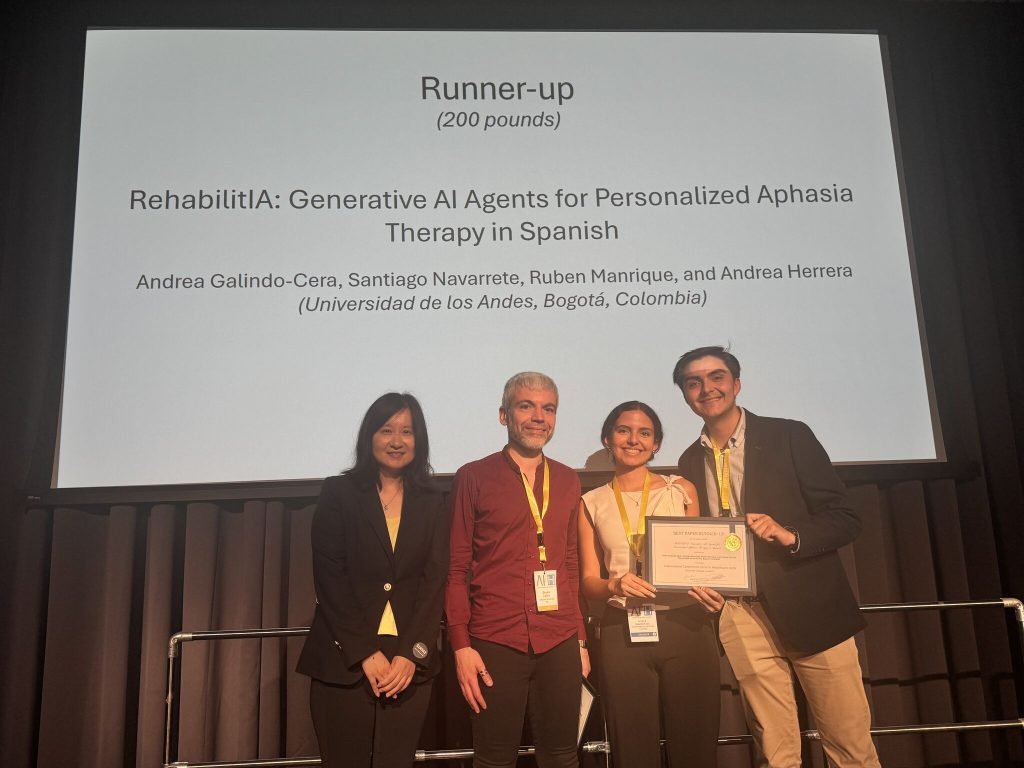
A new feature of AIiH 2026 is the introduction of the State-of-the-Art Surveys (STARS) track. Designed to capture emerging developments and provide authoritative overviews of rapidly evolving research areas, STARS submissions may be up to 24 pages in length. We also launched the DoRa-PVS Challenge (Domain Randomisation for Perivascular Space Segmentation), developed in collaboration with leading experts in medical image analysis. A dedicated special session was organised around the challenge, providing an opportunity to evaluate and discuss methods that can robustly generalise to heterogeneous and previously unseen MRI datasets. Contributions to AIiH 2026 were received from researchers representing 35 countries, underscoring the truly international character of the conference. The conference Best Paper Award will be announced during the conference and the Best Poster Prize will be handed out during the closing session.
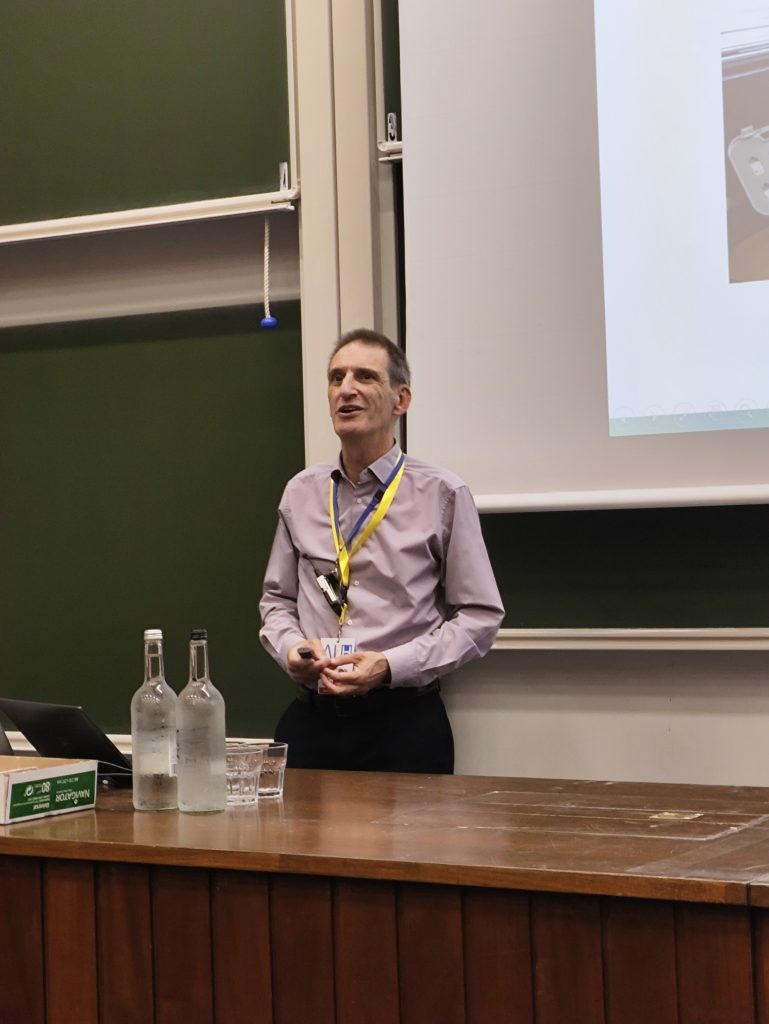
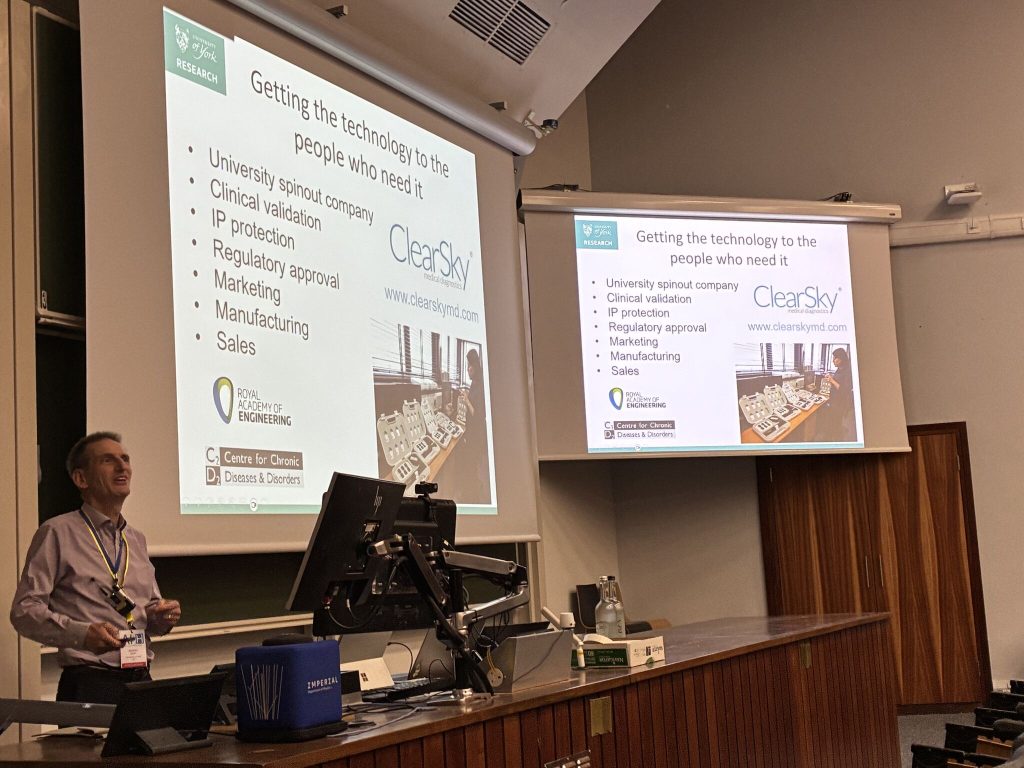
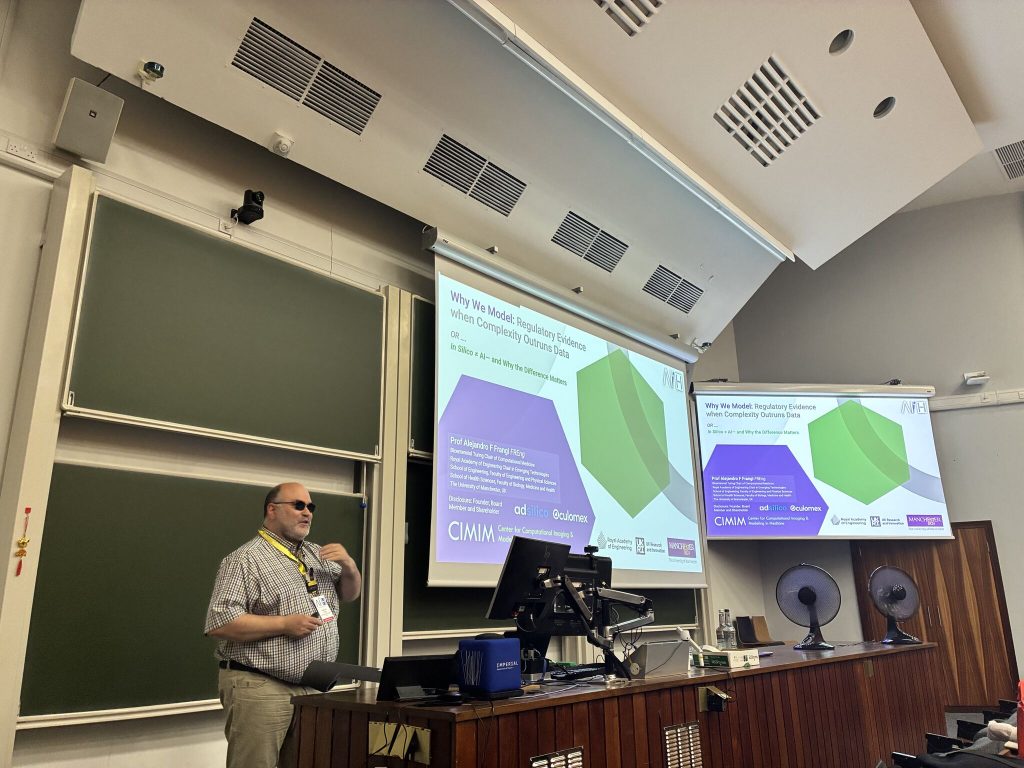
We are delighted to welcome five distinguished invited speakers. Prof. Stephen Smith (University of York) presents the conference tutorial, Translating AI into Clinical Practice. The keynote programme features talks from Prof. Alejandro Frangi (University of Manchester), Prof. Huiru Zheng (Ulster University), Prof. Michael Lones (Heriot-Watt University), and Prof. Giuseppe Carbone (University of Cassino, Italy). We sincerely thank them for sharing their expertise and perspectives with the AIiH community.
The success of AIiH 2026 would not have been possible without the dedication of our reviewers. We are deeply grateful for their time, expertise, and commitment to maintaining the quality of the conference. We would especially like to acknowledge the outstanding contributions of Annie Rathore (Scale AI), Connor Clarkson (Swansea University), Gary Tam (Swansea University), María Garrosa (Universidad Carlos III de Madrid), and Longfei Chen (University of Edinburgh), whose reviews were consistently thorough, constructive, and insightful.
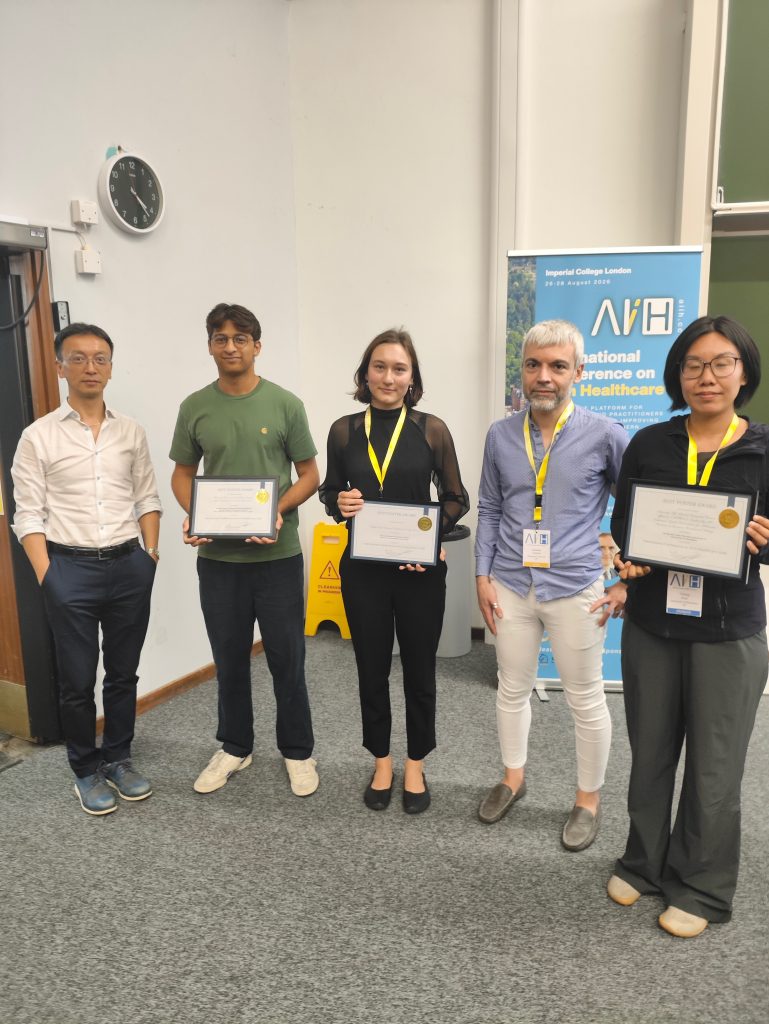
The best paper and best poster prizeswere selected and awarded at the conference. AIiH 2024 also offered 5 bursaries to students in order to encourage wider participation, particularly where financial support was needed.
The conference programme can be found here, and the details of the AIiH 2026 proceedings are available here.
Keynote Speakers
Alejandro Frangi, University of Manchester

Title: In Silico ≠ AI — and Why the Difference Matters
Artificial intelligence and in silico medicine are increasingly spoken of as if they were one and the same. They are not. AI names a method — learning input–output associations from data. In silico medicine names a destination — evaluating therapies, devices and care pathways on a computer, whether by learning from data or by simulating first principles. This lecture offers a clean vocabulary for a community fluent in the former and increasingly drawn to the latter. It separates data-driven learning, which learns the rules, from mechanistic simulation, which encodes them; locates scientific machine learning as the deliberate hybrid between them; and argues that a single idea — credibility for a stated context of use — is the common currency for trusting any computational model, learned or mechanistic. It then shows that regulators have already split their vocabulary, placing physics-based models and AI/ML under separate frameworks, and asks whether that split can survive the rise of hybrids. The argument lands on exemplars where in silico evidence is already regulatory-grade — in silico trials of devices, fully synthetic imaging trials, and cardiac digital twins — and where the strongest cases braid mechanism with data.
Professor Alejandro F. Frangi is the Bicentenary Turing Chair in Computational Medicine at the University of Manchester, with joint appointments in Computer Science and Health Sciences, and holds a Royal Academy of Engineering Chair in Emerging Technologies focused on precision computational medicine for in silico medical-device applications. He is Executive Director of the UK Centre of Excellence on In Silico Regulatory Science and Innovation (UK CEiRSI), which works with regulators to bring computer-modelled evidence and synthetic data into life-sciences innovation. His research spans model-based cardiovascular and cerebrovascular image computing, virtual patients and digital twins, and the machine-learning methods that increasingly connect them. He holds an ERC Advanced Grant, was an Alan Turing Institute Fellow, has published over 345 journal articles (h-index 88; more than 44,000 citations), and is a Fellow of the Royal Academy of Engineering, IEEE, SPIE, MICCAI, EAMBES and ELLIS. He has co-founded three spin-outs — GalgoMedical, adsilico and OculomeX — translating in silico methods into clinical and regulatory practice. Away from research, he writes and records music on themes of family, faith and fable through Cantus in Silico.
Huiru Zheng, Ulster University

Title: From Networks to Digital Health: An AI-Driven Integrative Approach to Healthcare
The rapid advances in artificial intelligence, high-throughput biomedical technologies, and digital health have transformed healthcare into a data-intensive discipline. Today’s healthcare challenges require the integration of heterogeneous information spanning biological networks, multi-omics profiles, clinical records, medical imaging, wearable devices, and patient-generated health data. Harnessing these diverse data sources is fundamental to advancing personalise healthcare and improving patient outcomes.
Drawing on research in computational biology, systems medicine, network biology, multi-omics integration, biomarker discovery, cancer informatics, clinical decision support, and digital health, this presentation will demonstrate how an AI-driven integrative approach can uncover complex disease mechanisms, identify clinically relevant biomarkers, support patient stratification, and enable more personalised and proactive healthcare. The keynote will also discuss the challenges of data interoperability, model explainability, privacy, ethical governance, and clinical validation.
Prof. Huiru (Jane) Zheng is a Professor of Computer Science with School of Computing and Mathematics, a full member of Computer Science Research Institute and a Fellow of the UK Higher Education Academy. She was awarded a PhD in Bioinformatics in 2003 and a Postgraduate Certificate in Teaching in Higher Education in 2005 from Ulster University.
Prof. Zheng is an active researcher in bioinformatics and healthcare informatics. Within her broad interests in data mining, data integration, machine learning and healthcare decision support, Prof. Zheng has a particular research interest and expertise in integrative data analytics in the field of systems biology, and intelligent data analysis and assistive technology to support healthcare and independent living. She has a successful track record of winning research funding as a principal investigator and has been a grant holder of research projects funded by EPSRC, TSB, DEL, NHS, Invest NI and European Commission including SMART Self Management, NOCTURNAL, CLARCH COPD Self Management, Self Management Platform for Connected Health, CardioWorkBench, mHealth4Afrika, SenseCare and MetaPlat. The products of her research have been reflected in her over 200 peer reviewed journal and conference publications.
Prof. Zheng is an IEEE member. She serves on the editorial board of several international journals and serves as co-chairs and program committees of a number of international conferences.
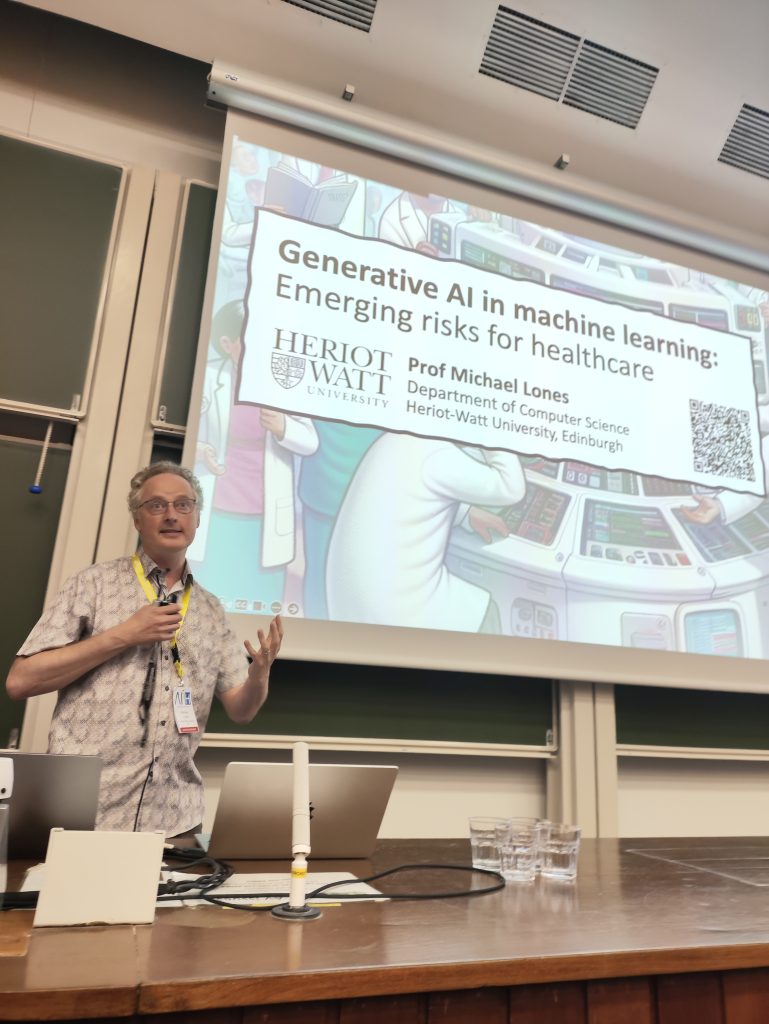
Michael Lones, Heriot-Watt University
Title: Generative AI in machine learning: Emerging risks for healthcare
Abstract: Generative AI is rapidly becoming embedded within machine learning (ML) workflows, from data generation and preprocessing to model design, analysis, and decision support. In healthcare, this integration promises major advances, enabling richer data, faster development cycles, and more capable clinical decision systems. However, it also introduces new and often poorly understood risks.
Generative models can amplify long-standing ML pitfalls, such as bias, data leakage, and evaluation errors, while also introducing new challenges around data provenance, security, explainability, and operational control. When deployed across multiple stages of an ML pipeline, these systems can create complex interactions and feedback loops that are difficult to predict, audit, or regulate, with direct implications for patient safety and clinical trust.
This keynote presents a structured view of how generative AI is currently used within ML workflows, examines the risks associated with each role, and then explores how these risks combine at the systems level. It aims to equip researchers, practitioners, and decision-makers with the tools needed to assess when and how generative AI should be used in healthcare ML – and, importantly, when it should not.
Dr. Lones is a Professor in the School of Mathematical and Computer Sciences, Heriot-Watt University, Edinburgh. His research focuses on machine learning and optimisation, including the development of new methods, applied work in medicine, biology and security, and broader issues around dependability and reproducibility. Professor Lones is a member of the Bio-inspired Computing and Machine Learning, ML-Health, and Lab for AI Verification research groups, and the Edinburgh Centre for Robotics.
Giuseppe Carbone, University of Cassino, Italy

Title: Challenges in Rehabilitation Robotics: Examples of Innovative Solutions
The aging population and the progressive decline of National Health Service (NHS) resources across Europe and worldwide are creating critical challenges in healthcare that must be addressed through sustainable robotic innovations. This presentation provides an overview of open issues and innovative approaches, focusing specifically on the solutions developed by the research team of Prof. Giuseppe Carbone, with a particular emphasis on robotic-assisted post-stroke rehabilitation. The discussion outlines the team’s distinctive methodological approach, which integrates analytical, numerical, and experimental co-design strategies to optimize structural topology alongside dimensional synthesis. Through this robust methodology, a wide range of your team’s validated rehabilitation robotic systems will be detailed, including cable-driven architectures, wearable parallel exoskeletons, and assistive devices. The presentation delves into the fundamental design principles, unique architectural concepts, and human-in-the-loop control strategies that underpin these state-of-the-art systems, using the team’s landmark clinical prototypes and case studies as primary evidence. Key requirements for next-generation systems—such as adaptability to patient-specific neurophysiological feedback, modularity, low-cost clinical resilience, safety, and usability—are briefly analyzed. Finally, to provide a broader landscape of the field, other innovative robotic applications beyond neurorehabilitation, such as advanced industrial manipulation and space mechatronics developed within the team’s collaborative networks, are also briefly outlined.
Giuseppe Carbone received his PhD degree in Robotics from the University of Cassino, Italy, in 2004. He has been Visiting Professor at Universidad Carlos III of Madrid, Beihang University, Waseda University, East China Jiaotong University, and several other well-reputed international research institutions. Since 2020, he has been Chair of the IFToMM Technical Committee on Robotics and Mechatronics. Since 2018, he has been with the University of Calabria, Italy. From 2018 to 2021, he was Visiting Professor at Sheffield Hallam University, UK, where he previously served as Senior Lecturer and member of the Executive Board of Sheffield Robotics from 2015 to 2017. He has been Scientific Director of the International Research Laboratory on Intelligent Robotic Systems and Technologies. He is Editor-in-Chief of Robotica (Cambridge University Press), Section Editor-in-Chief of the Journal of Bionic Engineering, Editor of MDPI Robotics and MDPI Machines, and Technical Editor of the IEEE/ASME Transactions on Mechatronics. He has been Principal Investigator or Co-PI of more than 20 research projects, including projects funded under the 7th European Framework Programme and H2020. He has received more than 20 Best Paper Awards and over 10 International Best Patent Awards. His research interests include Engineering Design, Robot Mechanics, Mechanics of Manipulation and Grasping, and Machinery Mechanics. His scientific output includes over 500 research papers, 20 patents, and 16 completed PhD supervisions (with 5 ongoing). He has also served as a member of 20 PhD evaluation committees in Italy, Spain, Finland, the UK, Romania, Mexico, India, and other countries. He has delivered keynote speeches and invited lectures at more than 30 international events. He has edited or co-edited four books published by Springer and Elsevier. His h-index is 40, with more than 6,000 citations (Google Scholar). In January 2023, he received an Honoris Causa Doctoral Degree from the Technical University of Cluj-Napoca (Romania), and in June 2023, an Honoris Causa Doctoral Degree from the University of Craiova (Romania).
Tutorial: Large Language Models
Stephen Smith, University of York

Tutorial Title: “Translating AI in Clinical Practices”
Stephen is currently a Professor in the School of Physics, Engineering and Technology at the University of York, has a BSc in Computer Science, an MSc (by Research) and PhD in Electronic Engineering. His research has always been concerned with the application of computers to problems in healthcare. His current research interests include developing novel representations for evolutionary algorithms, particularly applied to the diagnosis of neurological dysfunction and analysis of mammograms. Stephen has authored over 75 refereed publications, is a Chartered Engineer and a Fellow of the British Computer Society. He is an Associate Editor for the journal Genetic Programming and Evolvable Machines and a member of the editorial board for the International Journal of Computers in Healthcare and Neural Computing Applications.
Sponsors