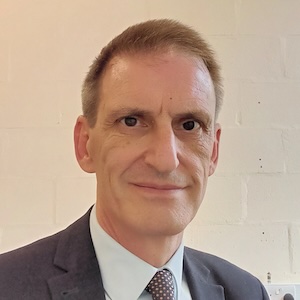
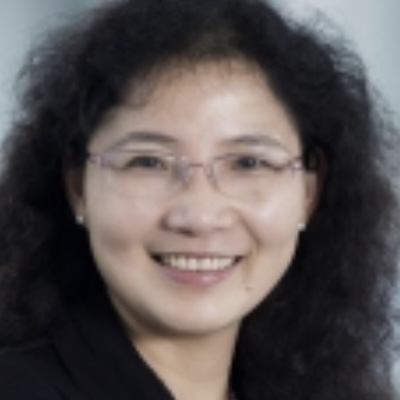
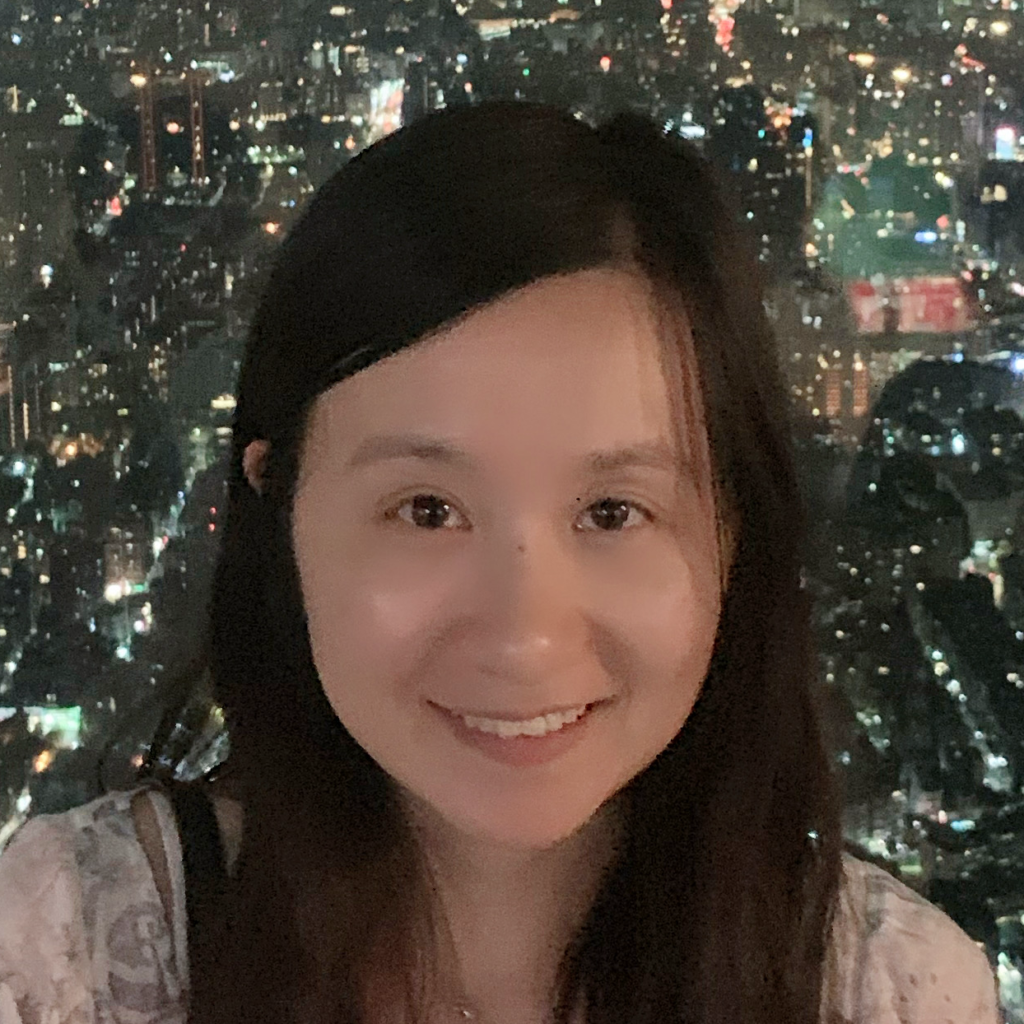
Mihaela van der Schaar, University of Cambridge

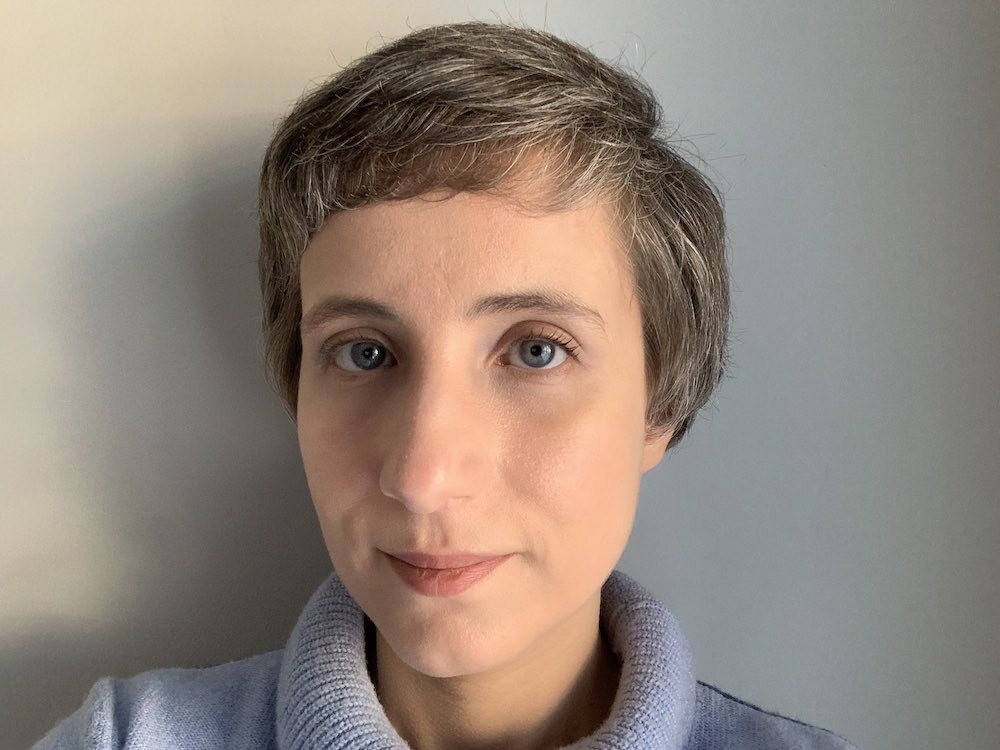
Mihaela van der Schaar is the John Humphrey Plummer Professor of Machine Learning, Artificial Intelligence and Medicine at the University of Cambridge. In addition to leading the van der Schaar Lab, Mihaela is founder and director of the Cambridge Centre for AI in Medicine (CCAIM).

Mihaela was elected IEEE Fellow in 2009 and Fellow of the Royal Society in 2024. She has received numerous awards, including the Johann Anton Merck Award (2024), the Oon Prize on Preventative Medicine from the University of Cambridge (2018), a National Science Foundation CAREER Award (2004), 3 IBM Faculty Awards, the IBM Exploratory Stream Analytics Innovation Award, the Philips Make a Difference Award and several best paper awards, including the IEEE Darlington Award. She was a Turing Fellow at The Alan Turing Institute in London between 2016 and 2024. In 2025, she was appointed as Spinoza Guest Professor at Amsterdam University Medical Center. 

Mihaela is personally credited as inventor on 35 USA patents (the majority of which are listed here), many of which are still frequently cited and adopted in standards. She has made over 45 contributions to international standards for which she received 3 ISO Awards. In 2019, a Nesta report determined that Mihaela was the most-cited female AI researcher in the U.K.

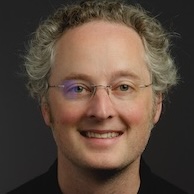
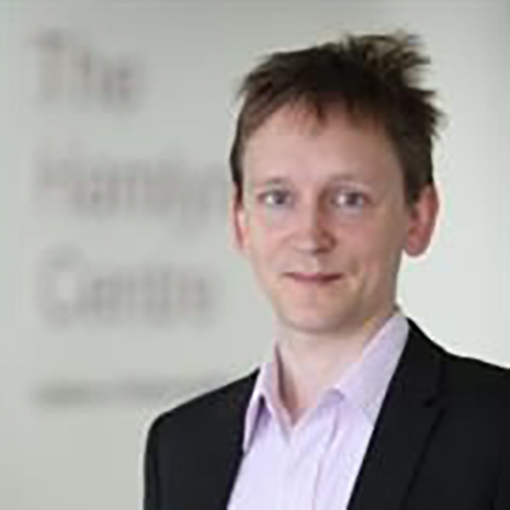
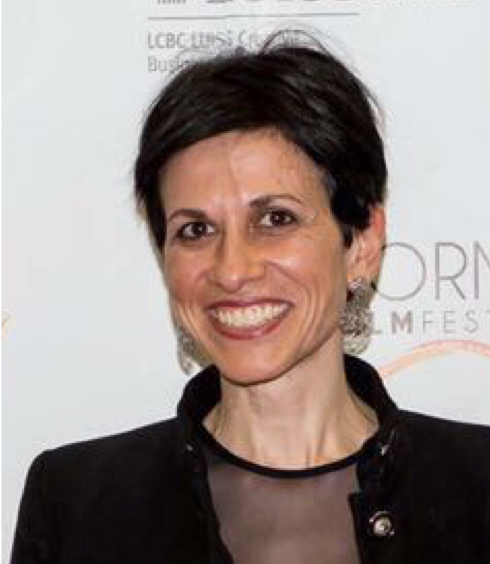
Alejandro Frangi, University of Manchester

Professor Alejandro Frangi FREng FIEEE holds the Bicentenary Turing Chair in Computational Medicine at the University of Manchester and is a Royal Academy of Engineering Chair in Emerging Technologies. He serves as Director of the Christabel Pankhurst Institute, where he drives the translation of health technology innovation across Greater Manchester, and leads Digital Infrastructure for the NIHR Manchester Biomedical Research Centre. He directs the UK Centre of Excellence in In-Silico Regulatory Science and Innovation (CEiRSI), advancing regulatory-grade in silico methods. His research spans medical image analysis, computational physiology, machine learning, population imaging, and in silico clinical trials, with applications in cardiovascular, musculoskeletal, and neuroscience domains. A strong advocate of cross-sector collaboration between academia, industry, and regulators, he promotes the safe and effective adoption of computational medicine. He also engages wider audiences through his podcast, “In Silico Trials, Real Impacts!”

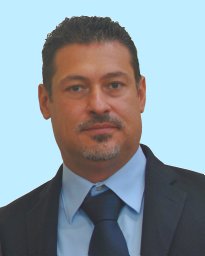
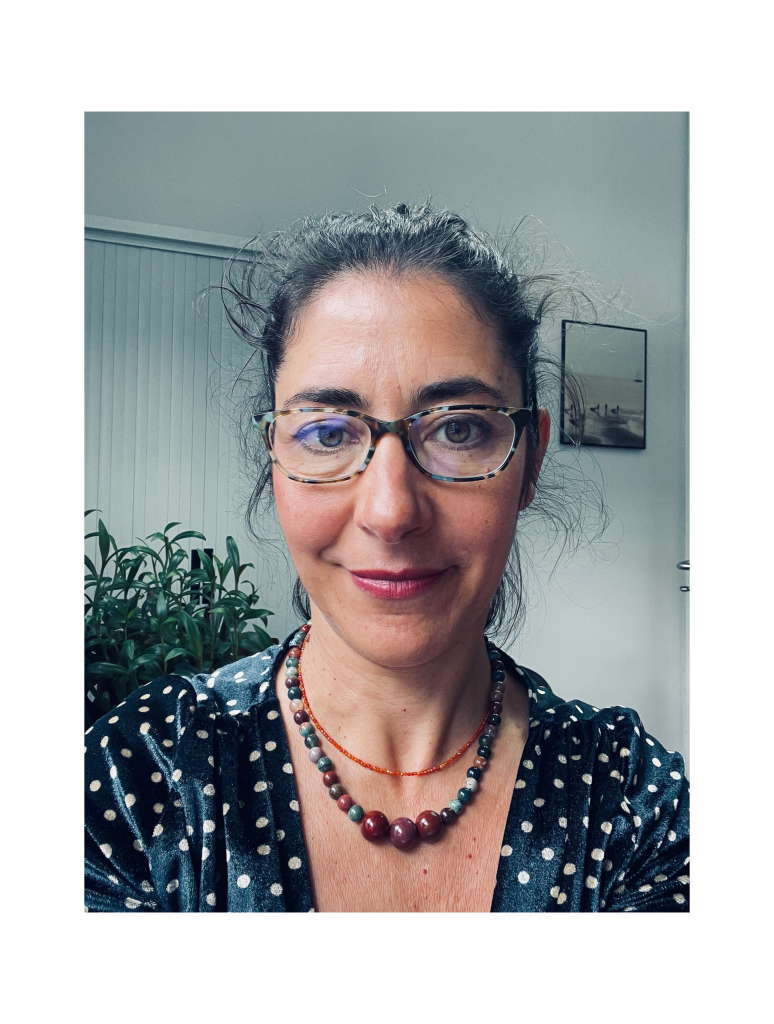
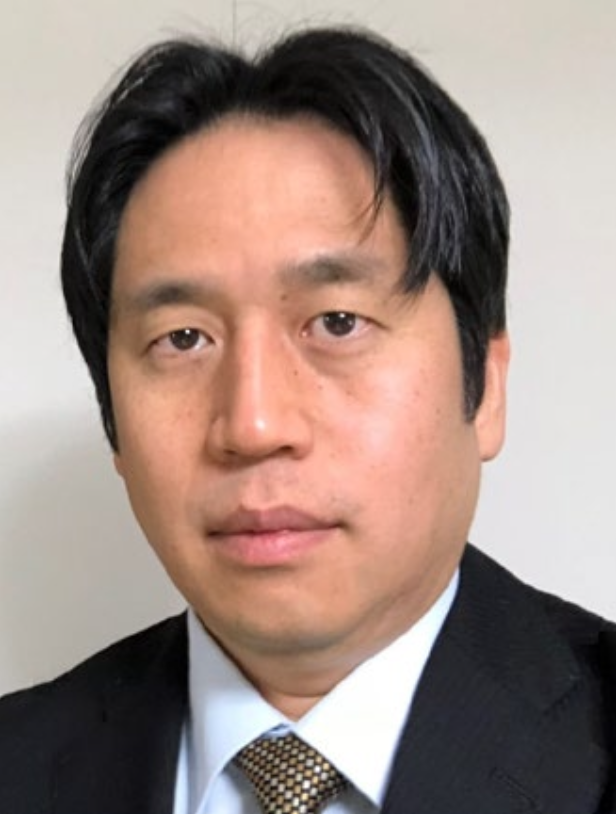
Huiru Zheng, Ulster University

Prof. Huiru (Jane) Zheng is a Professor of Computer Science with School of Computing and Mathematics, a full member of Computer Science Research Institute and a Fellow of the UK Higher Education Academy. She was awarded a PhD in Bioinformatics in 2003 and a Postgraduate Certificate in Teaching in Higher Education in 2005 from Ulster University.

Prof. Zheng is an active researcher in bioinformatics and healthcare informatics. Within her broad interests in data mining, data integration, machine learning and healthcare decision support, Prof. Zheng has a particular research interest and expertise in integrative data analytics in the field of systems biology, and intelligent data analysis and assistive technology to support healthcare and independent living. She has a successful track record of winning research funding as a principal investigator and has been a grant holder of research projects funded by EPSRC, TSB, DEL, NHS, Invest NI and European Commission including SMART Self Management, NOCTURNAL, CLARCH COPD Self Management, Self Management Platform for Connected Health, CardioWorkBench, mHealth4Afrika, SenseCare and MetaPlat. The products of her research have been reflected in her over 200 peer reviewed journal and conference publications.

Prof. Zheng is an IEEE member. She serves on the editorial board of several international journals and serves as co-chairs and program committees of a number of international conferences.


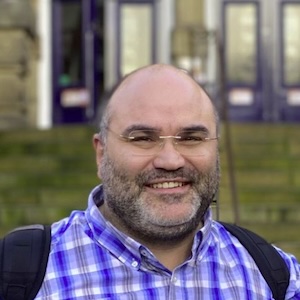
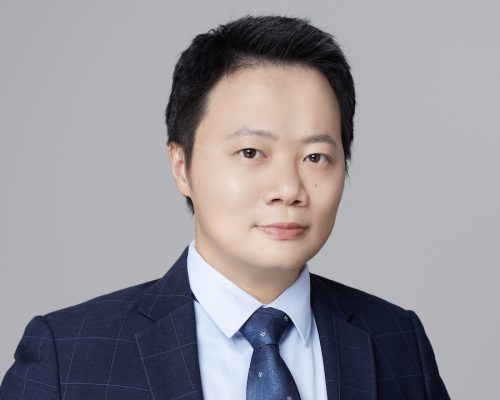
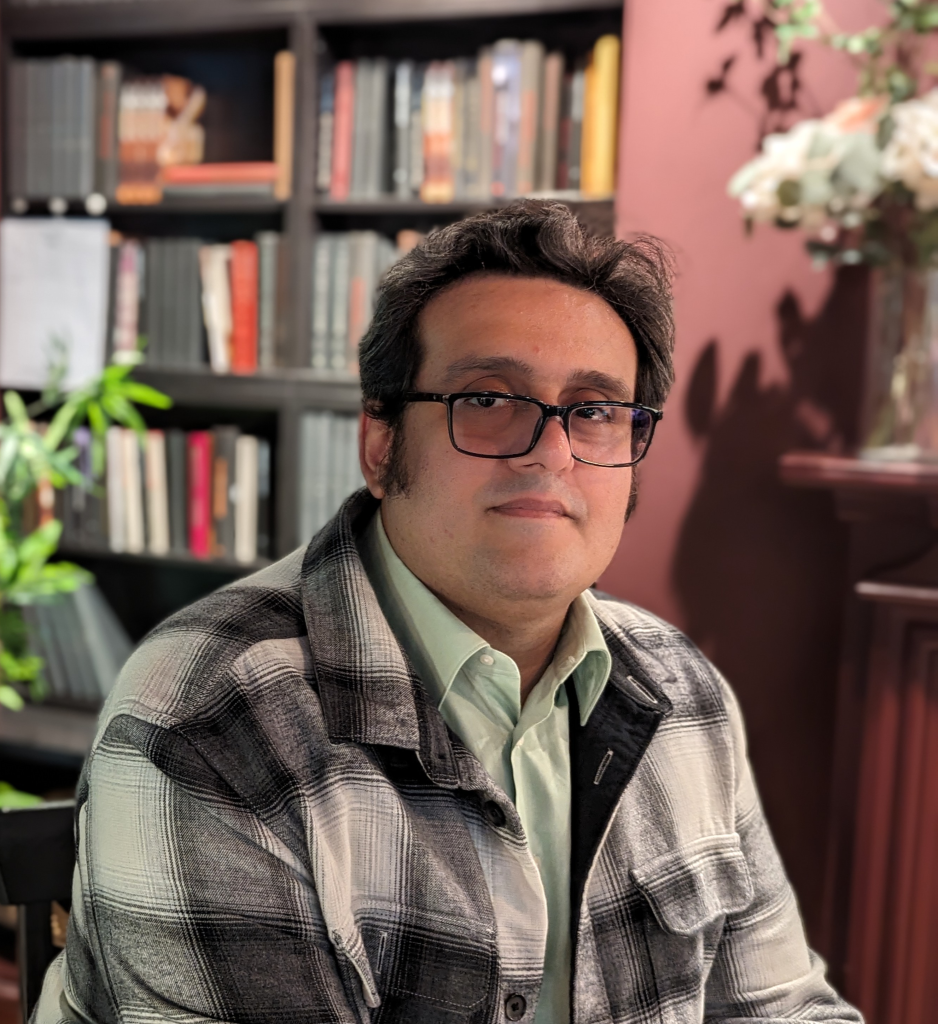
Michael Lones, Heriot-Watt University

Dr. Lones is a Professor in the School of Mathematical and Computer SciencesHeriot-Watt University, Edinburgh. His research focuses on machine learning and optimisation, including the development of new methods, applied work in medicine, biology and security, and broader issues around dependability and reproducibility. Professor Lones is a member of the Bio-inspired Computing and Machine LearningML-Health, and Lab for AI Verification research groups, and the Edinburgh Centre for Robotics.

Giuseppe Carbone, University of Cassino, Italy

Giuseppe Carbone received his PhD degree in Robotics from the University of Cassino, Italy, in 2004. He has been Visiting Professor at Universidad Carlos III of Madrid, Beihang University, Waseda University, East China Jiaotong University, and several other well-reputed international research institutions. Since 2020, he has been Chair of the IFToMM Technical Committee on Robotics and Mechatronics. Since 2018, he has been with the University of Calabria, Italy. From 2018 to 2021, he was Visiting Professor at Sheffield Hallam University, UK, where he previously served as Senior Lecturer and member of the Executive Board of Sheffield Robotics from 2015 to 2017. He has been Scientific Director of the International Research Laboratory on Intelligent Robotic Systems and Technologies. He is Editor-in-Chief of Robotica (Cambridge University Press), Section Editor-in-Chief of the Journal of Bionic Engineering, Editor of MDPI Robotics and MDPI Machines, and Technical Editor of the IEEE/ASME Transactions on Mechatronics. He has been Principal Investigator or Co-PI of more than 20 research projects, including projects funded under the 7th European Framework Programme and H2020. He has received more than 20 Best Paper Awards and over 10 International Best Patent Awards. His research interests include Engineering Design, Robot Mechanics, Mechanics of Manipulation and Grasping, and Machinery Mechanics. His scientific output includes over 500 research papers, 20 patents, and 16 completed PhD supervisions (with 5 ongoing). He has also served as a member of 20 PhD evaluation committees in Italy, Spain, Finland, the UK, Romania, Mexico, India, and other countries. He has delivered keynote speeches and invited lectures at more than 30 international events. He has edited or co-edited four books published by Springer and Elsevier. His h-index is 40, with more than 6,000 citations (Google Scholar). In January 2023, he received an Honoris Causa Doctoral Degree from the Technical University of Cluj-Napoca (Romania), and in June 2023, an Honoris Causa Doctoral Degree from the University of Craiova (Romania).

Our 2025 invited speakers

Our 2024 invited speakers